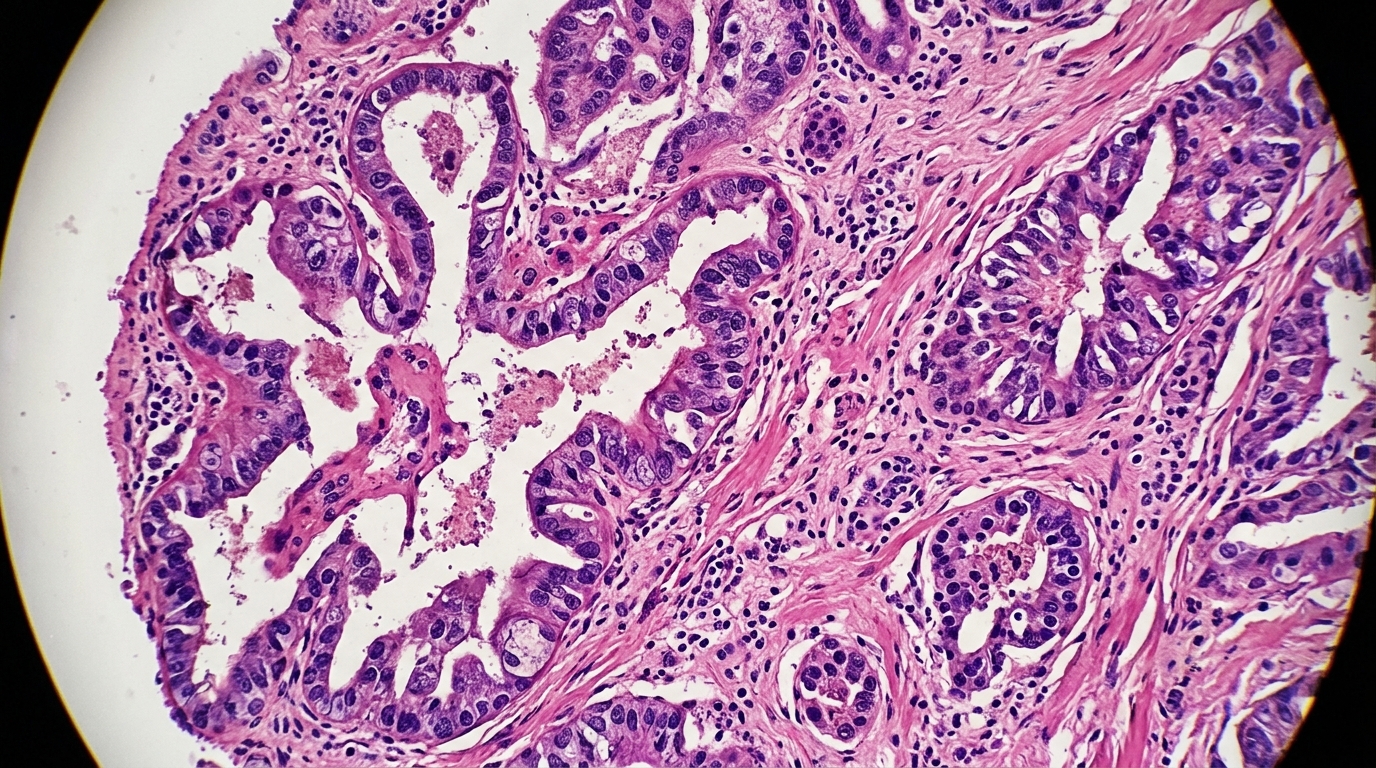
Researchers from multiple institutions have developed a machine learning model designed to predict the risk of recurrence in patients with borderline ovarian tumors who undergo fertility-sparing surgery.
Borderline ovarian tumors are epithelial ovarian tumors characterized by a generally favorable prognosis, particularly among younger women. Fertility-sparing surgery is frequently the preferred treatment option for these patients, as it allows for the preservation of reproductive potential. The study aimed to create a predictive model that could help stratify patients based on their individual risk of recurrence, thereby facilitating more personalized post-surgical management.
The study was a multi-center retrospective analysis involving 589 patients with borderline ovarian tumors who underwent fertility-sparing surgery between 2010 and 2023. Data collected included clinical, pathological, and laboratory variables. The research team evaluated ten different machine learning algorithms to determine which approach offered the best predictive performance. The dataset was preprocessed, and feature selection was performed using univariate analyses and feature importance scores derived from preliminary models.
To validate the models, the dataset was randomly split into training and test sets. Hyperparameter tuning was conducted using grid search and cross-validation to optimize the performance of each algorithm. Model performance was assessed using standard metrics, including the area under the receiver operating characteristic curve (AUC), accuracy, sensitivity, and specificity.
Among the ten algorithms evaluated, the Gradient Boosting model demonstrated the highest accuracy. It achieved an AUC of 0.94, indicating strong discriminative ability. The model also showed a sensitivity of 91% and a specificity of 88%.
Key predictors of recurrence identified by the model included histological subtype, age at diagnosis, tumor size, and surgical approach. To enhance the interpretability of the model, the researchers used SHAP (SHapley Additive exPlanations) values. This tool highlighted the contribution of the key predictors, allowing clinicians to understand which factors were driving the risk assessment for a given patient.
Facilitating the clinical application of the model, the researchers developed a web-based tool. This tool allows physicians to input patient data and obtain individualized recurrence risk predictions.
The study highlights the potential of machine learning-based models in improving personalized post-surgical management for patients with borderline ovarian tumors. By optimizing oncological and reproductive outcomes, such tools may help ensure that patients receive the appropriate level of surveillance and intervention.
Subject of Research: Development and validation of a machine learning model for predicting recurrence after fertility-sparing surgery in borderline ovarian tumor patients.
Article Title: Machine learning based model to predict the recurrence after fertility sparing surgery in patients with borderline ovarian tumor
Article References: Gao, Y., Yan, C., Li, W., Gao, M., Wang, T., Huang, C., Zhou, Y., Li, X., Wang, W., Yang, X., Zhang, T., Feng, C., Cui, B., Fu, X., Wu, Y., & Guo, H. (2026). Machine learning based model to predict the recurrence after fertility sparing surgery in patients with borderline ovarian tumor. Journal of Ovarian Research. https://doi.org/10.1186/s13048-026-02300-w
Image Credits: AI Generated
DOI: 10.1186/s13048-026-02300-w
Keywords: borderline ovarian tumor, machine learning, fertility-sparing surgery, recurrence prediction, gynecologic oncology, clinical decision support, retrospective study, Gradient Boosting, SHAP values, personalized medicine, Machine, learning
News Source: Ophelia Keating. (November 7, 2026). ML Model Predicts Ovarian Tumor Recurrence After Surgery. Scienmag.