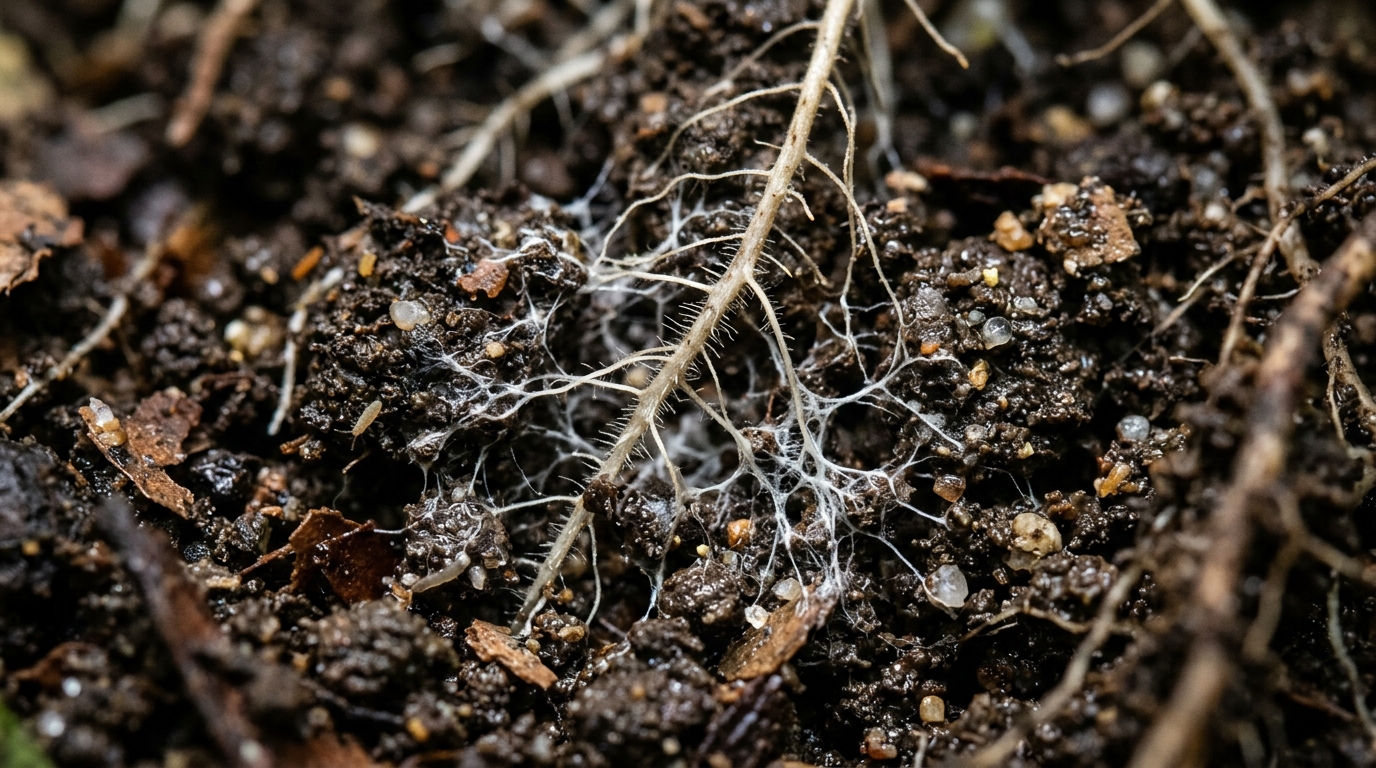
Researchers have demonstrated that combining high-fidelity long-read sequencing with short-read sequencing significantly improves the reconstruction of metagenome-assembled genomes from complex soil samples. Published in Environmental Microbiome, the study provides a practical framework for leveraging the complementary strengths of different sequencing technologies to enhance the resolution of microbial community analysis. The work addresses a persistent challenge in environmental genomics: the difficulty of recovering complete and accurate genomes from highly diverse ecosystems where individual microbial lineages may be present at low abundance.
The study, led by a team including Carole Belliardo and Étienne G. J. Danchin, focused on a tunnel-cultivated soil sample to test the efficacy of a hybrid metagenomic approach.
To overcome these limitations, the researchers generated metagenomic data using high-coverage Illumina short-reads alongside data from two high-fidelity long-read platforms: PacBio Sequel II and PacBio Revio. However, the cost and relatively lower throughput of long-read sequencing can limit the depth of coverage, which is critical for the binning stage of genome reconstruction. By integrating both data types, the team aimed to harness the continuity of long reads and the depth of short reads.
The results indicated that assemblies generated from pooled high-fidelity long-read data alone exhibited higher completeness than those generated from ultra-deep short-read data. Nevertheless, the study found that incorporating short-read-derived coverage information into the binning of long-read contigs further enhanced the quality of the recovered genomes. This hybrid approach increased the number of recovered metagenome-assembled genomes by 24%, raising the count from 252 to 313. Additionally, the method reduced contamination levels, with the number of contaminated bins dropping from 132 to 116, and the mean contamination decreasing from 8.07% to 7.09%.
A significant portion of the newly recovered genomes belonged to low-abundance and taxonomically diverse lineages. Specifically, 67% of the additional metagenome-assembled genomes identified through the hybrid approach represented these rare groups.
The study underscores the value of adopting long-read technologies for more comprehensive characterization of complex microbial communities. While factors such as sequencing depth, cost, and DNA quality remain important considerations for experimental design, the integration of short and long reads offers a robust solution for improving genome recovery and binning accuracy. The hybrid approach leverages the strengths of both technologies, leading to more contiguous assemblies and enabling the recovery of a broader range of genomes. This method provides practical guidance for designing future soil metagenomics projects, suggesting that a combined strategy can yield higher-resolution taxonomic and functional annotations.
By demonstrating that the integration of high-fidelity long-read and short-read sequencing markedly enhances genome recovery, the research offers a significant advance in the field of environmental microbiology.
Subject of Research: Hybrid metagenomic sequencing for soil microbiome analysis
Article Title: Accurate MAG reconstruction from a complex soil microbiome through combined short- and HiFi long-reads metagenomics
Article References: Belliardo, C., Maurice, N., Pere, A., Mondy, S., Franc, A., Bailly-Bechet, M., Lemaître, C., Vicedomini, R., Frigerio, J.-M., Salin, F., Belmonte, É., Gislard, M., Sherman, D. J., Abad, P., Frioux, C., & Danchin, É. G. J. (2026). Accurate MAG reconstruction from a complex soil microbiome through combined short- and HiFi long-reads metagenomics. Environmental Microbiome. https://doi.org/10.1186/s40793-026-00952-1
Image Credits: AI Generated
DOI: 10.1186/s40793-026-00952-1
Keywords: metagenomics, soil microbiome, long-read sequencing, short-read sequencing, MAG reconstruction, PacBio, Illumina, microbial diversity, genome assembly, Environmental Microbiome, Accurate, reconstruction
News Source: Juliet Wilcox. (November 7, 2026). Hybrid Sequencing Boosts Soil Genome Recovery. Scienmag.