• HOME
  • NEWS
  • EXPLORE
    • CAREER
      • Companies
      • Jobs
    • EVENTS
    • iGEM
      • News
      • Team
    • PHOTOS
    • VIDEO
    • WIKI
  • BLOG
  • COMMUNITY
    • FACEBOOK
    • INSTAGRAM
    • TWITTER
Saturday, November 7, 2026
BIOENGINEER.ORG
No Result
View All Result
  • Login
  • HOME
  • NEWS
  • EXPLORE
    • CAREER
      • Companies
      • Jobs
        • Lecturer
        • PhD Studentship
        • Postdoc
        • Research Assistant
    • EVENTS
    • iGEM
      • News
      • Team
    • PHOTOS
    • VIDEO
    • WIKI
  • BLOG
  • COMMUNITY
    • FACEBOOK
    • INSTAGRAM
    • TWITTER
No Result
View All Result
Bioengineer.org
No Result
View All Result
Home NEWS Science News Technology

Spent LiFePO4 Cathodes Upcycled for Oxygen Evolution

by
November 7, 2026
in Technology
Reading Time: 2 mins read
0
Spent LiFePO4 Cathodes Upcycled for Oxygen Evolution

Spent LiFePO4 Cathodes Upcycled for Oxygen Evolution

Share on FacebookShare on TwitterShare on LinkedinShare on RedditShare on Telegram

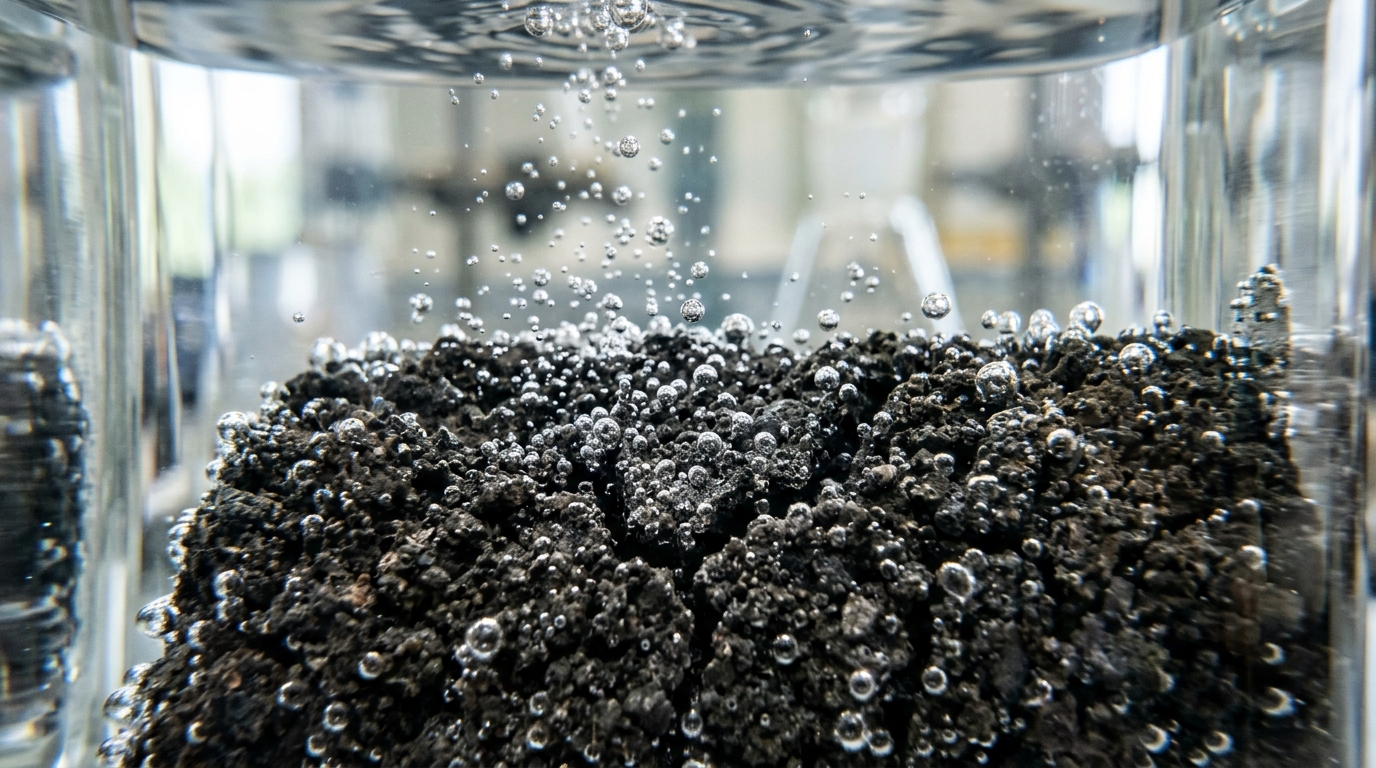
A review published in Advanced Composites and Hybrid Materials on 30 October 2026 examines the potential of spent lithium iron phosphate (LFP) cathodes as precursors for oxygen evolution electrocatalysts. The study, authored by Han-Ming Zhang, argues that conventional metal recovery routes offer limited economic value for these waste materials. Instead, the review highlights the Fe–P framework and the structural heterogeneity induced by battery cycling as promising features for developing new electrocatalysts. This perspective shifts the focus from simple material recovery to a reconstruction-centered framework that connects battery degradation processes with catalyst evolution under anodic polarization.

The review challenges the notion that inherited defects from spent batteries are intrinsic active sites. Rather, it evaluates how cycling-induced defects, lattice disorder, phase boundaries, and vacancy chemistry regulate the susceptibility of the material to reconstruction.

The authors classify reported upcycling routes based on precursor structural continuity into three main categories. Despite their distinct starting structures, the review notes that many of these systems evolve toward Fe/Ni-based (oxy)hydroxide-rich operating interfaces. However, the specific composition, coordination environment, and reconstruction pathway remain highly dependent on the precursor chemistry and the electrochemical conditions applied.

Performance evaluation in this field extends beyond simple overpotential measurements. The review emphasizes the importance of considering feedstock origin, activation history, current density, cell voltage, temperature, and operational lifetime.

Several key unresolved challenges remain in this emerging field. These include a deeper understanding of defect–reconstruction relationships, reconstruction kinetics, and substrate-derived contributions. Feedstock variability and phosphate stability during saline electrolysis are also identified as significant hurdles. The review positions spent LFP as a reconstruction-tunable pre-catalyst platform, highlighting its potential for practical anion exchange membrane water electrolysis (AEMWE).

Subject of Research: Upcycling spent lithium iron phosphate cathodes for oxygen evolution electrocatalysis

Article Title: Reconstruction-tunable upcycling of spent LiFePO4 cathodes for oxygen evolution electrocatalysis: from defect legacy to operating active interfaces

Article References: Zhang, H.-M. (2026). Reconstruction-tunable upcycling of spent LiFePO4 cathodes for oxygen evolution electrocatalysis: from defect legacy to operating active interfaces. Advanced Composites and Hybrid Materials. https://doi.org/10.1007/s42114-026-02169-9

Image Credits: AI Generated

DOI: 10.1007/s42114-026-02169-9

Keywords: LiFePO4, Electrocatalysis, Oxygen Evolution, Battery Upcycling, AEMWE, Reconstruction, Defect Chemistry, Sustainability, Reconstruction-tunable, upcycling, spent, cathodes

News Source: Gavin Prescott. (November 7, 2026). Spent LiFePO4 Cathodes Upcycled for Oxygen Evolution. Scienmag.

Tags: AEMWEBattery Upcyclingcathodesdefect chemistryelectrocatalysisLiFePO4oxygen evolutionreconstructionReconstruction-tunablespentSustainabilityupcycling
Share12Tweet7Share2ShareShareShare1

Related Posts

Modified Chlorophyll and Carbon Nitride Composite Degrades Tetracycline Under Visible Light

Modified Chlorophyll and Carbon Nitride Composite Degrades Tetracycline Under Visible Light

November 7, 2026
Fine-Grained Language Model Extracts Medication Data from Hungarian Clinical Narratives

Fine-Grained Language Model Extracts Medication Data from Hungarian Clinical Narratives

November 7, 2026

New Model Predicts Higher Fatigue Loads in Parked Wind Turbines

November 7, 2026

Synergistic Post-Processing Enhances Vacuum-Evaporated Blue Perovskite Light-Emitting Diodes

November 7, 2026

POPULAR NEWS

  • Research report: Bazi Bushen Attenuates Skeletal Muscle Decline Associated With Oestrogen Deficiency and Modulates FGFR1/ERK Signalling

    Research report: Bazi Bushen Attenuates Skeletal Muscle Decline Associated With Oestrogen Deficiency and Modulates FGFR1/ERK Signalling

    29 shares
    Share 12 Tweet 7
  • Cholesterol Binding Stabilizes THIK-1 Channel and Promotes Atherosclerosis

    29 shares
    Share 12 Tweet 7
  • Enzymes boost activity and fluid flow in crowded protein droplets

    29 shares
    Share 12 Tweet 7
  • First Record of the Clouded Reed Snake in Yunnan Expands Known Range

    29 shares
    Share 12 Tweet 7

About

We bring you the latest biotechnology news from best research centers and universities around the world. Check our website.

Follow us

Recent News

Research report: Bazi Bushen Attenuates Skeletal Muscle Decline Associated With Oestrogen Deficiency and Modulates FGFR1/ERK Signalling

Cholesterol Binding Stabilizes THIK-1 Channel and Promotes Atherosclerosis

Enzymes boost activity and fluid flow in crowded protein droplets

Subscribe to Blog via Email

Enter your email address to subscribe to this blog and receive notifications of new posts by email.

Join 86 other subscribers
  • Contact Us

Bioengineer.org © Copyright 2023 All Rights Reserved.

Welcome Back!

Login to your account below

Forgotten Password?

Retrieve your password

Please enter your username or email address to reset your password.

Log In
No Result
View All Result
  • Homepages
    • Home Page 1
    • Home Page 2
  • News
  • National
  • Business
  • Health
  • Lifestyle
  • Science

Bioengineer.org © Copyright 2023 All Rights Reserved.