• HOME
  • NEWS
  • EXPLORE
    • CAREER
      • Companies
      • Jobs
    • EVENTS
    • iGEM
      • News
      • Team
    • PHOTOS
    • VIDEO
    • WIKI
  • BLOG
  • COMMUNITY
    • FACEBOOK
    • INSTAGRAM
    • TWITTER
Friday, November 6, 2026
BIOENGINEER.ORG
No Result
View All Result
  • Login
  • HOME
  • NEWS
  • EXPLORE
    • CAREER
      • Companies
      • Jobs
        • Lecturer
        • PhD Studentship
        • Postdoc
        • Research Assistant
    • EVENTS
    • iGEM
      • News
      • Team
    • PHOTOS
    • VIDEO
    • WIKI
  • BLOG
  • COMMUNITY
    • FACEBOOK
    • INSTAGRAM
    • TWITTER
No Result
View All Result
Bioengineer.org
No Result
View All Result
Home NEWS Science News Biology

Two Novel Halalkalibacter Bacterial Species Identified in Saline-Alkali Soil

by
November 6, 2026
in Biology
Reading Time: 2 mins read
0
Two Novel Halalkalibacter Bacterial Species Identified in Saline-Alkali Soil

Two Novel Halalkalibacter Bacterial Species Identified in Saline-Alkali Soil

Share on FacebookShare on TwitterShare on LinkedinShare on RedditShare on Telegram

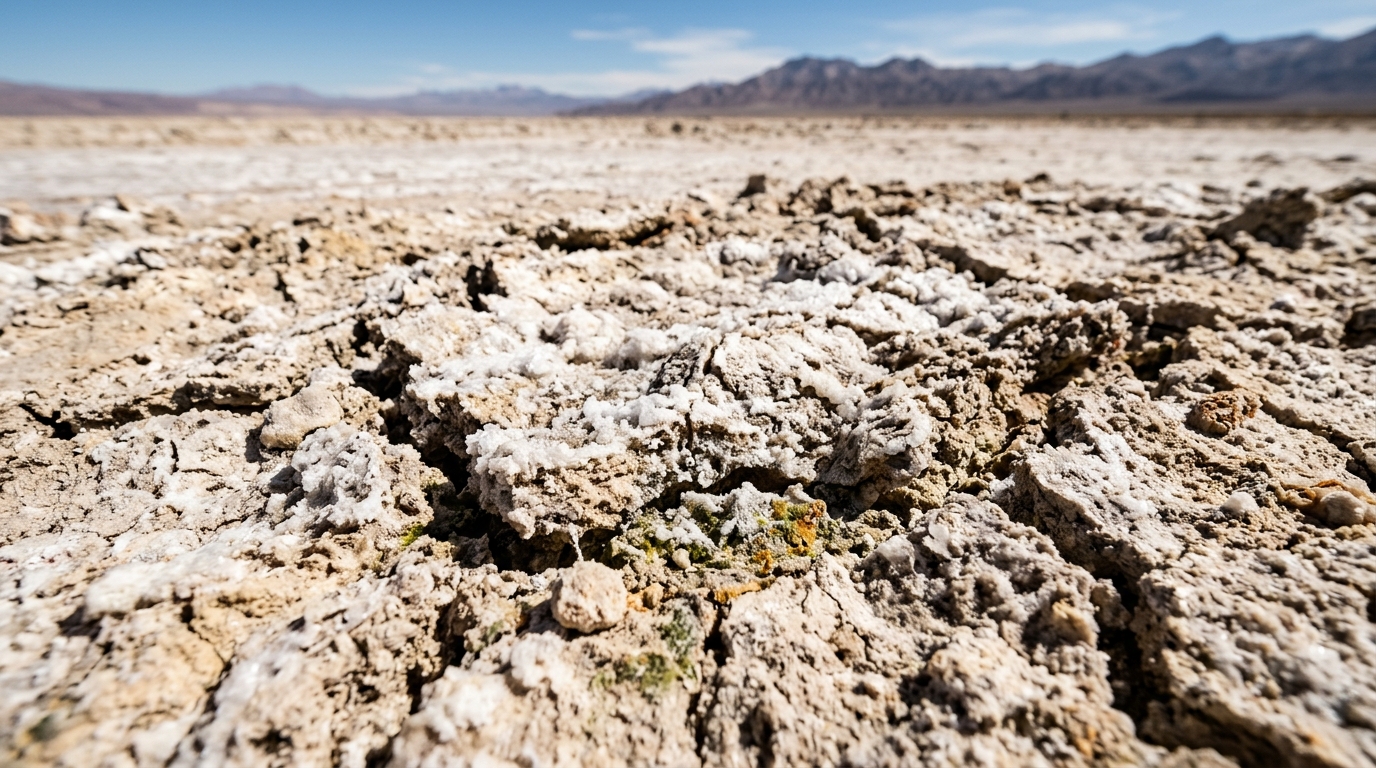
Researchers evaluating haloalkaliphilic bacteria isolated from saline-alkali soil have identified two novel species belonging to the genus Halalkalibacter, designated Halalkalibacter haasae sp. nov. and Halalkalibacter salibacillus sp. nov. The investigation employed a polyphasic approach to evaluate the taxonomic positions of strains HAAS-P013T and HAAS-P014T while providing genomic insights into the genus Halalkalibacter.

Strains HAAS-P013T and HAAS-P014T are Gram-positive, aerobic, motile, and rod-shaped microorganisms. Phylogenetic analyses alongside 16S rRNA gene sequence analyses assigned both strains directly to the genus Halalkalibacter.

The two strains exhibited distinct environmental tolerance ranges and optimal conditions during physiological testing. Strain HAAS-P013T showed growth at temperatures ranging from 12 to 45 °C with an optimum at 32 °C, tolerated pH levels from 6.0 to 11.0 with an optimum at pH 10.0, and demonstrated tolerance to NaCl concentrations of up to 15% (w/v). Strain HAAS-P014T grew across the same temperature range of 12 to 45 °C but showed an optimum temperature of 37 °C, grew at pH 7.0 to 11.0 with an optimum at pH 10.0, and tolerated higher salinity with NaCl concentrations up to 20% (w/v).

Chemotaxonomic characterization identified shared and distinguishing biochemical profiles between the two isolates. Both strains consist of meso-2,6-diaminopimelic acid, MK-6 and MK-7 as menaquinones, and anteiso-C15:0 and C16:0 as dominant fatty acids. Their polar lipids include diphosphatidylglycerol, phosphatidylglycerol, phosphatidylethanolamine, and an unidentified lipid; however, strain HAAS-P013T contained two additional unidentified phospholipids, whereas strain HAAS-P014T contained one additional unidentified phospholipid.

Whole-genome assessments revealed the presence of multiple genes potentially involved in osmotic and alkaline stress responses in both strains. Genomic comparisons showed that average nucleotide identity and digital DNA-DNA hybridization values among strain HAAS-P013T, strain HAAS-P014T, and other Halalkalibacter species remained below the species delineation threshold values of 95 to 96% and 70%, respectively. Based on these genomic and polyphasic results, the strains represent two novel species proposed as Halalkalibacter haasae sp. nov., with type strain HAAS-P013T (= KCTC 43869T = GDMCC 1.6158T), and Halalkalibacter salibacillus sp. nov., with type strain HAAS-P014T (= KCTC 43870T = GDMCC 1.6094T).

Subject of Research: Taxonomic and genomic characterization of novel Halalkalibacter species

Article Title: Genomic insights into the genus Halalkalibacter and proposal of two novel Halalkalibacter species, Halalkalibacter haasae sp. nov., and Halalkalibacter salibacillus sp. nov

Article References: Wang, J., Zhu, K., Jin, P., Wu, K., Quadri, S. R., Narsing Rao, M. P., Zhao, D., & Wang, S. (2026). Genomic insights into the genus Halalkalibacter and proposal of two novel Halalkalibacter species, Halalkalibacter haasae sp. nov., and Halalkalibacter salibacillus sp. nov. BMC Microbiology. https://doi.org/10.1186/s12866-026-05785-z

Image Credits: AI Generated

DOI: 10.1186/s12866-026-05785-z

Keywords: Halalkalibacter, Halalkalibacter haasae, Halalkalibacter salibacillus, haloalkaliphiles, saline-alkali soil, bacterial taxonomy, comparative genomics, polyphasic taxonomy, Genomic, insights, genus, proposal

News Source: Drew Townsend. (November 6, 2026). Two Novel Halalkalibacter Bacterial Species Identified in Saline-Alkali Soil. Scienmag.
Tags: bacterial taxonomyComparative genomicsgenomicgenusHalalkalibacterHalalkalibacter haasaeHalalkalibacter salibacillushaloalkaliphilesinsightspolyphasic taxonomyproposalsaline-alkali soil
Share12Tweet7Share2ShareShareShare1

Related Posts

Rapeseed Study Reveals Drought-Resistant Seed Vigor Alleles Falter Under Optimal Moisture

Rapeseed Study Reveals Drought-Resistant Seed Vigor Alleles Falter Under Optimal Moisture

November 6, 2026
Research report: Genetic Engineering Efforts to Generate Chlamydomonas Strains for Large‐Scale Biomolecule Production

Research report: Genetic Engineering Efforts to Generate Chlamydomonas Strains for Large‐Scale Biomolecule Production

November 6, 2026

Knowledge Graph Framework Uncovers Drug Repurposing Targets for Aplastic Anaemia

November 6, 2026

Metabolic Models of Korean Campylobacter jejuni Isolates Cluster by Lineage

November 6, 2026

POPULAR NEWS

  • Attention-boosted AI learns to slice 5G edge networks smarter

    Attention-boosted AI learns to slice 5G edge networks smarter

    29 shares
    Share 12 Tweet 7
  • Study Evaluates Factors Linked to Chronic Subdural Hematoma Recurrence After Surgery

    29 shares
    Share 12 Tweet 7
  • FIB-4 Liver Fibrosis Scores Inversely Correlate With Metabolic Risk in Older Adults

    29 shares
    Share 12 Tweet 7
  • Nanocomposite Architecture Enhances Charge Transport in Aqueous Supercapacitors

    29 shares
    Share 12 Tweet 7

About

We bring you the latest biotechnology news from best research centers and universities around the world. Check our website.

Follow us

Recent News

Intravenous Iron Formulations Spur Divergent Muscle Recovery in Iron Deficiency Anaemia

Pararectal Leiomyosarcoma Diagnosed After Laparoscopic Hysterectomy Without Morcellation

Bone and Soft Tissue Combined: New Imaging Method Builds 3D Shape Models of the Foot and Ankle

Subscribe to Blog via Email

Enter your email address to subscribe to this blog and receive notifications of new posts by email.

Join 86 other subscribers
  • Contact Us

Bioengineer.org © Copyright 2023 All Rights Reserved.

Welcome Back!

Login to your account below

Forgotten Password?

Retrieve your password

Please enter your username or email address to reset your password.

Log In
No Result
View All Result
  • Homepages
    • Home Page 1
    • Home Page 2
  • News
  • National
  • Business
  • Health
  • Lifestyle
  • Science

Bioengineer.org © Copyright 2023 All Rights Reserved.