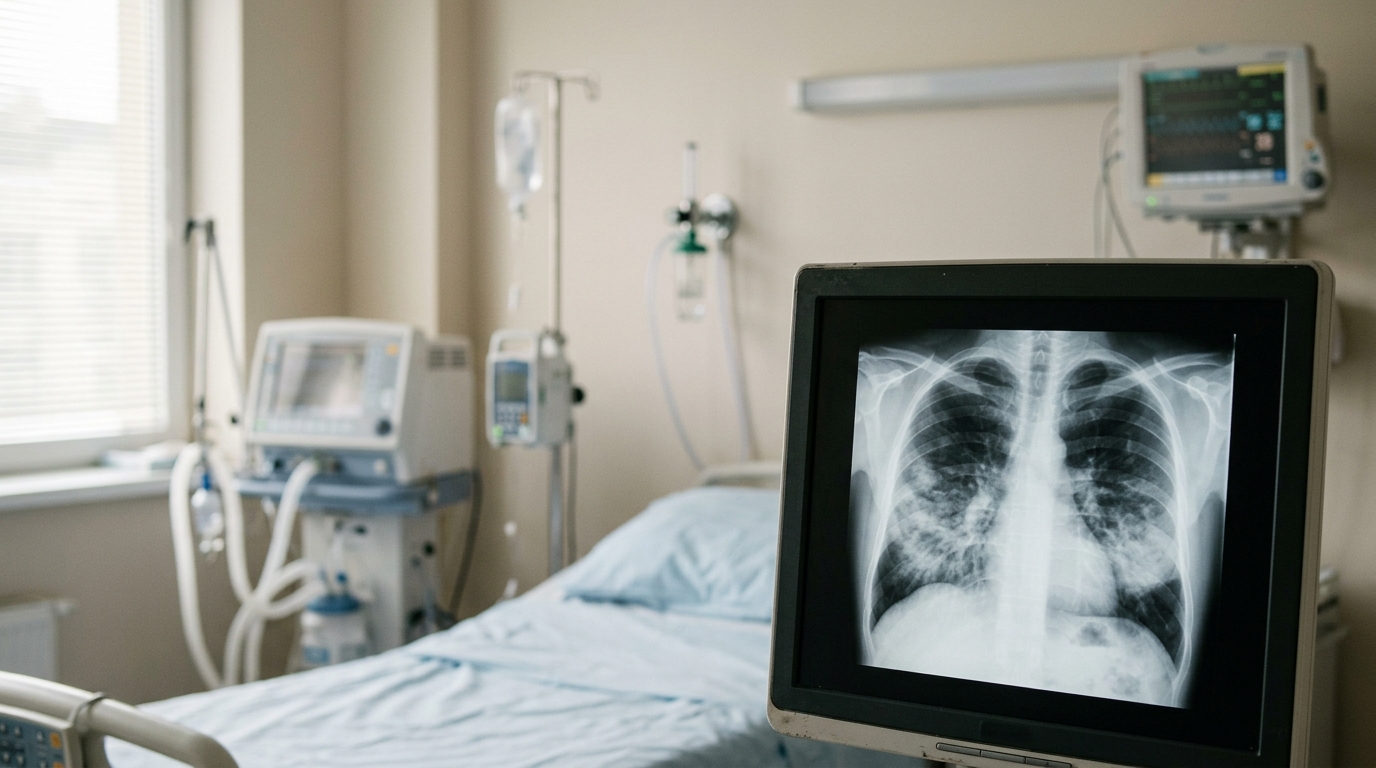
In a cross-sectional study evaluating 147 patients diagnosed with community-acquired pneumonia in Iraq, individuals with severe disease exhibited significantly lower circulating levels of thyroid-stimulating hormone and vitamin D3 than those with mild disease. Conducted to evaluate the relationships between thyroid function, micronutrient status, inflammatory markers, and total antioxidant capacity across illness severity, the investigation observed that thyroid-stimulating hormone (TSH) measured 0.89 ± 0.4 µIU/mL in severe cases compared with 1.4 ± 0.76 µIU/mL in mild cases (p < 0.001). Concurrently, serum vitamin D3 concentrations were significantly reduced in the severe cohort, averaging 20.1 ± 6.9 ng/mL compared to 27.4 ± 9.3 ng/mL among patients classified with mild pneumonia (p < 0.01).
Patients in the study were clinically stratified into mild and severe community-acquired pneumonia groups through physician assessment of clinical presentation, respiratory compromise, and overall clinical evaluation. In addition to TSH and vitamin D3, the investigators recorded serum thyroxine (T4), total antioxidant capacity (TAC), zinc, C-reactive protein (CRP), body mass index (BMI), and patient age. Routine laboratory assessment measured CRP using an automated immunoturbidimetric assay, and data were evaluated using descriptive statistics and Pearson correlation analysis stratified by disease severity, with statistical significance defined at p < 0.05.
While TSH and vitamin D3 differed markedly between cohorts, several other endocrine and oxidative parameters showed no statistically significant differences between severity groups. Circulating thyroxine levels were 7.5 ± 1.9 ng/dL in severe cases versus 8.1 ± 1.6 ng/dL in mild cases (p > 0.05). Similarly, total antioxidant capacity did not differ significantly between severe (2410 ± 351 µmol/L) and mild (2508 ± 287 µmol/L) presentations (p > 0.05), and serum zinc concentrations remained comparable at 83.3 ± 23.3 µg/dL in severe patients versus 84.3 ± 19.7 µg/dL in mild patients (p > 0.05). Correlation analyses within the severe cohort revealed only weak associations: CRP exhibited a very weak positive correlation with vitamin D (r = 0.16, p = 0.049), a very weak negative correlation with TAC (r = −0.11, p = 0.201), and a very weak negative correlation with BMI (r = −0.10, p = 0.239), with all correlation coefficients remaining below an absolute value of 0.35.
The authors concluded that disease severity in community-acquired pneumonia is associated with progressive disruption of endocrine and oxidative homeostasis, noting that interactions among thyroid function, vitamin D status, inflammation, and antioxidant defenses may serve as useful biochemical indicators of disease severity and progression. However, the researchers emphasized that the cross-sectional study design precludes any causal inference regarding these relationships, and the specific biological mechanisms underlying the observed associations remain to be elucidated.
Subject of Research: Endocrine and oxidative biomarkers in community-acquired pneumonia severity
Article Title: Evaluation of thyroid function and oxidative status on the severity of community-acquired pneumonia
Article References: Obed, A. F., Radeef, A. H., Al-Aaraji, A. J., & Kadhim, M. A. (2026). Evaluation of thyroid function and oxidative status on the severity of community-acquired pneumonia. BMC Endocrine Disorders. https://doi.org/10.1186/s12902-026-02637-9
Image Credits: AI Generated
DOI: 10.1186/s12902-026-02637-9
Keywords: community-acquired pneumonia, thyroid-stimulating hormone, vitamin D3, cross-sectional study, total antioxidant capacity, C-reactive protein, disease severity, biomarkers, Evaluation, thyroid, function, oxidative
News Source: Ophelia Keating. (November 6, 2026). Lower TSH and Vitamin D Associated With Severe Pneumonia in Iraq. Scienmag.