Progestin-primed ovarian stimulation suppresses the preovulatory luteinizing hormone surge by remodeling hypothalamic neural circuits, upregulating sirtuin 1 transcriptional pathways, and disrupting the electrophysiological firing dynamics of gonadotropin-releasing hormone neurons, according to a study conducted in mice. The investigation addressed a central neuroendocrine question regarding progestin-primed ovarian stimulation, a clinically effective strategy originating in China and adopted internationally to prevent premature luteinizing hormone surges and ovulation during assisted reproduction, whose central hypothalamic mechanisms had lacked clear understanding.
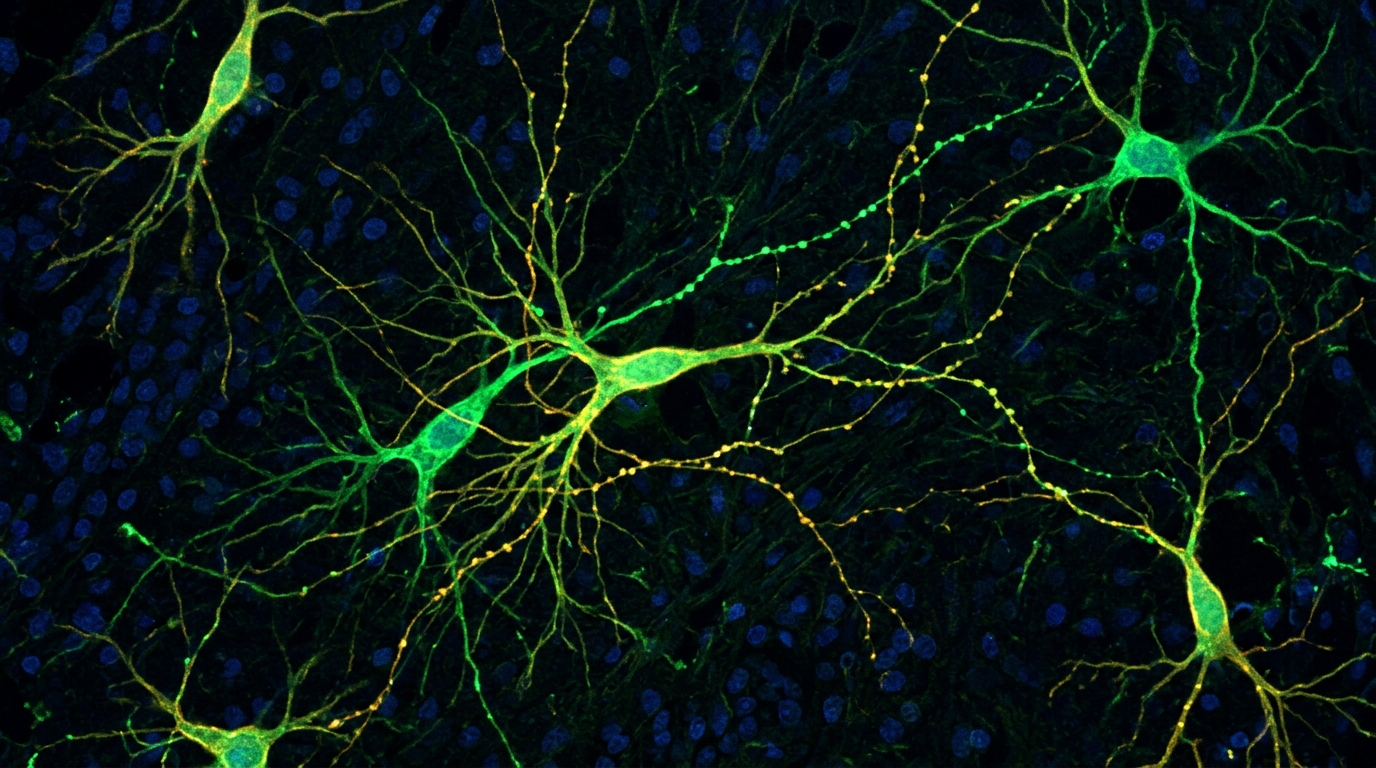
To examine the hypothalamic response during stimulation, researchers utilized Fos TetTag mice to label activity-dependent neurons across the hypothalamus. Cellular mapping revealed region-specific alterations, marked by reduced neuronal activity in the preoptic area alongside heightened activity in the arcuate nucleus. Further transcriptomic analysis and immunofluorescence staining identified an upregulation of sirtuin 1 in the activated arcuate nucleus neurons, which occurred in tandem with the suppression of KISS1 expression.
To assess the functional significance of sirtuin 1, the researchers administered the pharmacological inhibitor EX527. While pharmacological inhibition effectively lowered sirtuin 1 expression, it failed to fully restore KISS1 levels or trigger the luteinizing hormone surge, indicating that targeting sirtuin 1 alone is insufficient to reverse the broader multi-gene regulatory disruption mediating suppression. In vivo electrophysiological recordings revealed that while progestin priming increased the baseline firing rate of gonadotropin-releasing hormone neurons, it impaired their ability to transition into the surge-associated high-frequency bursting patterns that directly regulate and drive luteinizing hormone secretion.
The authors concluded that progestin-primed ovarian stimulation blocks premature ovulation through coordinated hypothalamic circuit remodeling, combining sirtuin 1-related transcriptional changes with the inhibition of burst firing in gonadotropin-releasing hormone neurons. By identifying how progestin administration alters hypothalamic circuits and neuroendocrine output in an animal model, these findings provide mechanistic insights that support the ongoing optimization of ovarian stimulation protocols in assisted reproductive medicine.
Subject of Research: Hypothalamic mechanisms of progestin-primed ovarian stimulation in mice
Article Title: Progesterone prevents premature LH surge/ovulation by remodeling GnRH neuron activity
Article References: Shen, X., Huang, Y., Qiu, L., Chen, H., Liu, Y., Nie, Y., Zeng, Y., Kuang, Y., & Wang, L. (2026). Progesterone prevents premature LH surge/ovulation by remodeling GnRH neuron activity. Cell Communication and Signaling. https://doi.org/10.1186/s12964-026-03346-5
Image Credits: AI Generated
DOI: 10.1186/s12964-026-03346-5
Keywords: progestin-primed ovarian stimulation, GnRH neurons, luteinizing hormone surge, SIRT1, KISS1, hypothalamus, mouse model, assisted reproduction, Progesterone, prevents, premature, surge
News Source: Cassandra Pierce. (November 6, 2026). Progesterone Blocks Premature Ovulation Surge by Altering Mouse GnRH Neuron Activity. Scienmag.