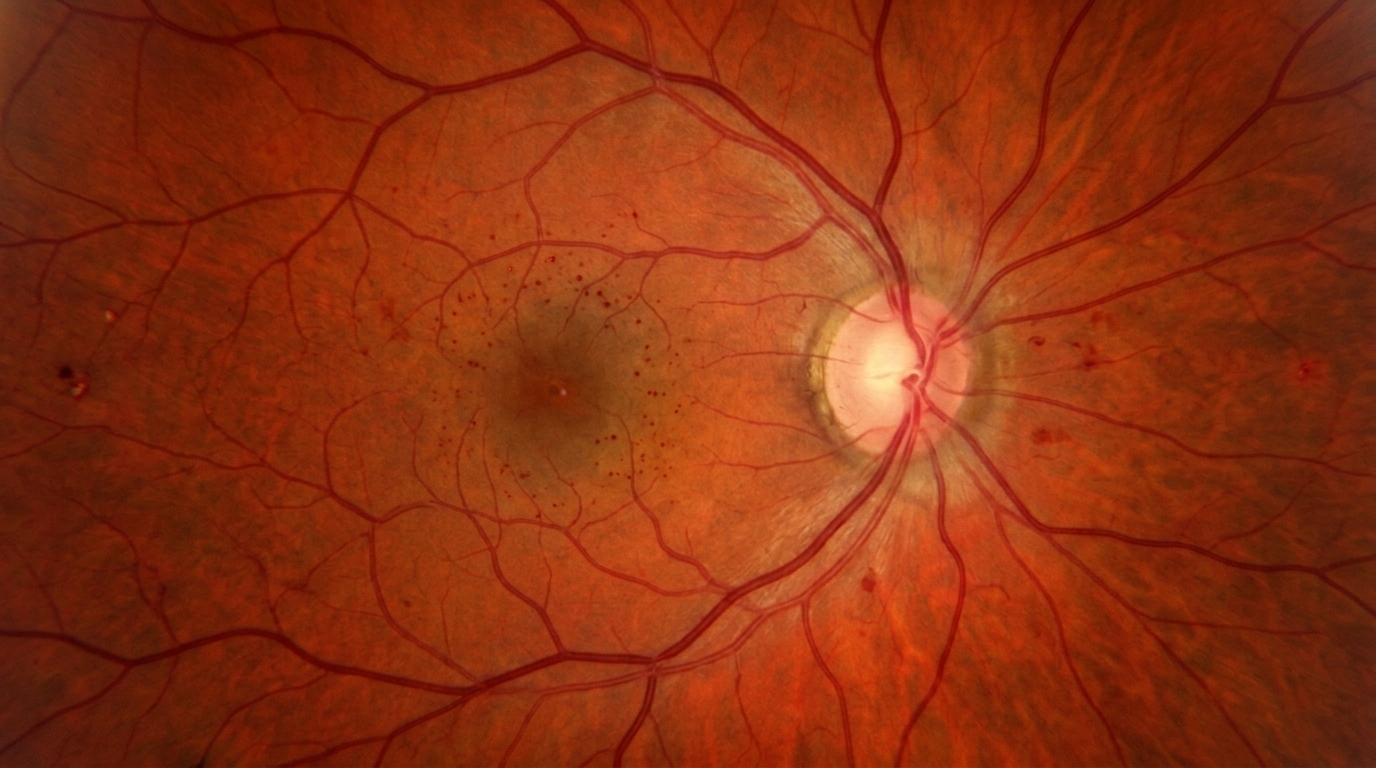
Serum levels of DLX6-AS1 are significantly higher in diabetic retinopathy patients compared to patients without diabetic retinopathy, demonstrating a significant association with the presence of the condition. In accompanying in vitro experiments, researchers found that the DLX6-AS1/miR-654-3p/high mobility group box 1 (HMGB1) axis mediates retinal pigment epithelial cell injury under high-glucose conditions.
The study was designed to explore the association between serum DLX6-AS1 and the presence of diabetic retinopathy in patients with type 2 diabetes mellitus, while preliminarily clarifying its regulatory mechanism in high glucose-induced retinal pigment epithelial cell injury. Circulating levels of DLX6-AS1 were measured via RT-qPCR across type 2 diabetes mellitus cohorts with and without diabetic retinopathy.
To assess the statistical relationship between the measured circulating marker and clinical status, the researchers evaluated the association between serum DLX6-AS1 and prevalent diabetic retinopathy using receiver operating characteristic curve analysis and binary logistic regression. These clinical evaluations confirmed that aberrant serum DLX6-AS1 expression was closely associated with diabetic retinopathy status in patients with type 2 diabetes mellitus.
To investigate underlying cellular and molecular mechanisms, the authors established an in vitro high-glucose injury model using ARPE-19 cells. Dual luciferase reporter assays and RNA immunoprecipitation confirmed a targeted regulatory interaction within the DLX6-AS1/miR-654-3p/HMGB1 axis. Mechanistic testing revealed that DLX6-AS1 upregulated HMGB1 expression by sponging miR-654-3p, while HMGB1 overexpression significantly attenuated the cytoprotective effect of miR-654-3p.
Following molecular interventions in high-glucose-cultured ARPE-19 cells, researchers evaluated cellular apoptosis, oxidative stress, and inflammatory responses. DLX6-AS1 interference markedly reduced apoptosis and alleviated oxidative stress and inflammatory responses, though this protective effect was partially reversed by silencing miR-654-3p. Apoptosis rates were detected by flow cytometry and caspase activity assays; oxidative stress status was evaluated by measuring reactive oxygen species, malondialdehyde, and superoxide dismutase; and inflammatory factors were quantified via RT-qPCR and enzyme-linked immunosorbent assays.
The clinical phase of the research focused specifically on type 2 diabetes mellitus, examining how circulating molecular markers differ according to the presence or absence of diabetic retinopathy. By evaluating patient serum through binary logistic regression and receiver operating characteristic curve analysis, the authors characterized DLX6-AS1 as an indicator of prevalent disease rather than tracking longitudinal disease progression over time. This statistical design establishes an observational correlation with diabetic retinopathy status in type 2 diabetes mellitus cohorts, leaving causal dynamics in clinical disease separate from the observed serum differences.
At the molecular level, the investigation mapped a directional regulatory cascade to clarify how high-glucose exposure induces retinal pigment epithelial cell dysfunction. Within this competitive pathway, DLX6-AS1 operates by sponging miR-654-3p, which in turn permits increased expression of high mobility group box 1. The functional dependence of this axis was highlighted when silencing miR-654-3p or directly overexpressing HMGB1 diminished the cytoprotective benefits achieved by DLX6-AS1 interference, demonstrating that HMGB1 functions downstream of miR-654-3p to govern high-glucose injury responses.
Crucially, the biological responses documented under high-glucose conditions represent laboratory cell culture findings rather than human clinical outcomes. While multi-parameter evaluations confirmed that suppressing DLX6-AS1 lowered apoptosis rates, reduced reactive oxygen species and malondialdehyde, maintained superoxide dismutase, and curbed inflammatory factor expression, these observations remain confined to ARPE-19 cell models. Consequently, the authors framed the DLX6-AS1/miR-654-3p/HMGB1 pathway as a preliminary regulatory mechanism governing in vitro retinal pigment epithelial injury, distinct from the broader physiological complexities of clinical diabetic retinopathy.
Subject of Research: DLX6-AS1 regulation in diabetic retinopathy and retinal pigment epithelial cell injury
Article Title: DLX6-AS1 aggravates high glucose-induced retinal pigment epithelial cell dysfunction via the miR-654-3p/HMGB1 pathway in diabetic retinopathy
Article References: Liu, X., Zhao, Y., Li, F., Huang, G., & Shao, X. (2026). DLX6-AS1 aggravates high glucose-induced retinal pigment epithelial cell dysfunction via the miR-654-3p/HMGB1 pathway in diabetic retinopathy. European Journal of Medical Research. https://doi.org/10.1186/s40001-026-05388-4
Image Credits: AI Generated
DOI: 10.1186/s40001-026-05388-4
Keywords: diabetic retinopathy, DLX6-AS1, retinal pigment epithelial cells, ARPE-19, miR-654-3p, HMGB1, type 2 diabetes mellitus, aggravates, high, glucose-induced, retinal, pigment
News Source: Ophelia Keating. (November 6, 2026). Study Links DLX6-AS1 Pathway to Retinal Cell Injury in Diabetic Retinopathy. Scienmag.