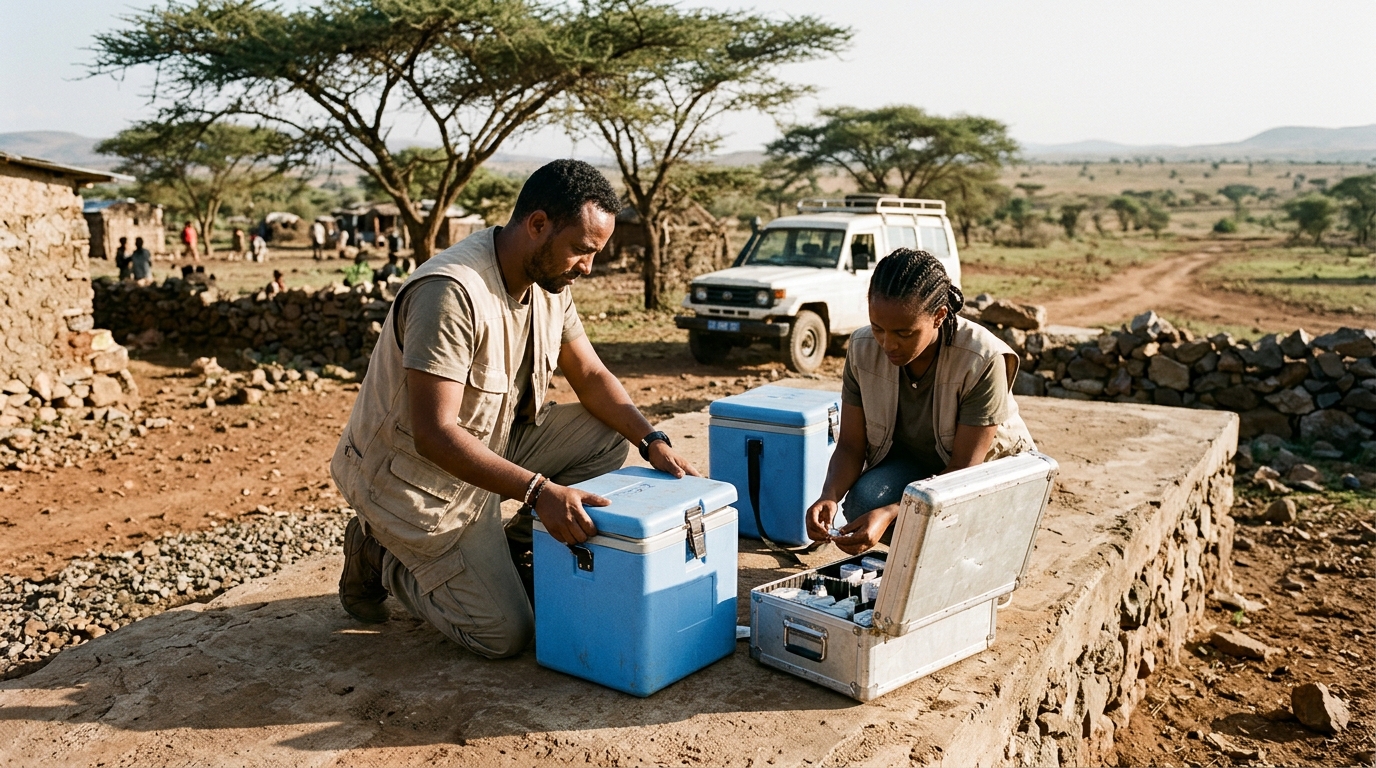
A qualitative systems analysis published in BMC Emergency Medicine reveals that while Ethiopia has accomplished meaningful strategic and structural progress in health emergency preparedness, these high-level investments have not consistently translated into operational readiness across the country’s health system tiers. Conducted by researcher Ashenafi Habte Woyessa and co-authors Amanda Muller, Mayumi Kako, and Paul Arbon, the study investigated how preparedness policies and organizational structures operate in practice across different administrative layers. By evaluating structural capacity alongside frontline functionality, the investigation identified persistent systemic challenges, including implementation gaps, infrastructure disconnects, inadequate resource cascading to grassroots facilities, and an overarching lack of sustainability, which collectively impede the nation’s capacity to manage large-scale emergencies.
The research was established in response to the multifaceted public health environment confronting Ethiopia, where health systems are regularly challenged by a wide range of epidemiological, environmental, and security-related emergencies. Despite the frequent occurrence and severity of these disruptive events, the authors identified an acute absence of research evaluating the country’s health emergency preparedness through an overarching, system-level lens. Specifically, the tangible progress achieved by national system-strengthening initiatives and the actual operational readiness of the health system had remained unresolved in existing literature. To bridge this knowledge deficit, the investigators adopted a comprehensive systems approach designed to evaluate preparedness mechanisms across each operational and administrative tier of Ethiopia’s health network.
To examine these system dynamics, the research team gathered qualitative empirical evidence through in-depth semi-structured interviews with 27 senior healthcare decision-makers. The participant cohort was recruited across multiple health system tiers using a combination of purposive and snowball sampling strategies. Sampling concluded once the researchers reached data saturation, defined as the operational threshold where additional participant interviews generated no substantively new codes, themes, or insights concerning the research questions. To capture comprehensive institutional perspectives, eight participants were selected from the top tier of the health system, consisting of three representatives from the Ministry of Health, three officials from the Ethiopian Public Health Institute, and two leaders from the National Emergency Medical Team.
The remaining participants represented operational and partner organisations across the lower and intermediate tiers of the health system. Seven decision-makers were selected from the middle layer, specifically serving within the Public Health Emergency Management divisions of regional health offices. An additional five participants represented frontline healthcare delivery, recruited directly from the country’s major referral hospitals, while the final seven participants were drawn from domestic and international non-governmental organisations operating in the emergency response space. Data collection procedures were adapted to logistical requirements, with 18 interviews conducted face-to-face, seven administered virtually via the Microsoft Teams platform, and two executed over the telephone to accommodate participant availability across dispersed geographic settings.
The investigators analysed the interview data using a reflexive thematic analysis methodology that proceeded through a rigorous series of iterative analytic stages. This qualitative protocol encompassed data familiarisation, formal coding, the development of initial candidate themes, and subsequent phases of reviewing, refining, and defining the final thematic structure. To establish empirical triangulation, the emerging themes and sub-themes were cross-referenced against eleven relevant institutional documents, consisting of national policy frameworks, strategic health plans, official guidelines, and external assessment reports. This documentary analysis employed the interview-derived themes as a deductive analytical framework, systematically scrutinising points of convergence, divergence, and institutional silence between official documentary records and decision-maker testimonies.
The inductive analysis of participant testimonies yielded two primary conceptual themes that characterised the state of emergency readiness. The first theme, designated as “System Strengthening Effort: Achievements and Ongoing Challenges,” documented notable positive developments alongside enduring operational barriers. Documented successes encompassed the nationwide expansion of healthcare infrastructure, the formal development and deployment of specialised healthcare task forces, and organizational structure improvements. In contrast, key ongoing challenges included weaknesses in policy implementation, physical and operational disconnects in healthcare infrastructure, inadequate cascading of national achievements down to the grassroots level, and an absence of sustainability across emergency preparedness interventions.
The second conceptual theme, identified as “Mixed Perceptions: Optimism, Caution, and Uncertainty Regarding Readiness Level,” captured the diverse and ambivalent viewpoints of decision-makers regarding operational readiness. These two core themes functioned complementarily, as the structural gains and operational obstacles identified in the first theme provided the direct interpretive context for participants’ guarded outlooks. Document review corroborated these findings, indicating that while Ethiopia has attained substantial strategic and structural progress, uneven policy implementation, variable operational capacities across administrative levels, and deficient sustainability continue to limit overall preparedness. The authors concluded that future initiatives must prioritise translating policy investments into sustainable frontline capacity, while future research should evaluate how these measures maintain operational readiness across all tiers.
Subject of Research: System-level health emergency preparedness in Ethiopia
Article Title: System-level health emergency preparedness in Ethiopia: insights from senior healthcare decision-makers triangulated with documentary analysis
Article References: Woyessa, A. H., Muller, A., Kako, M., & Arbon, P. (2026). System-level health emergency preparedness in Ethiopia: insights from senior healthcare decision-makers triangulated with documentary analysis. BMC Emergency Medicine. https://doi.org/10.1186/s12873-026-01836-w
Image Credits: AI Generated
DOI: 10.1186/s12873-026-01836-w
Keywords: health emergency preparedness, Ethiopia, public health systems, healthcare infrastructure, thematic analysis, emergency medical teams, operational readiness, health policy implementation, System-level, health, emergency, preparedness
News Source: Ophelia Keating. (November 6, 2026). Ethiopian Health Emergency Preparedness Shows Structural Progress but Operational Gaps Persist. Scienmag.