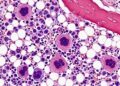
A comprehensive microbiological investigation of a naturally managed Kangal sheep flock in Türkiye has identified a distinctive genital microbial signature dominated by Mycoplasma species, specifically Mycoplasma bovigenitalium, among female sheep experiencing chronic reproductive failure. Published in Archives Animal Breeding, the field investigation evaluated the distribution of uterine and urogenital pathogens in multiparous ewes that repeatedly failed to establish pregnancy despite exhibiting regular estrous cycles and undergoing consecutive natural matings. Veterinary researchers demonstrated that while conventional abortifacient pathogens were entirely absent from non-pregnant animals that passed strict health screenings, molecular diagnostics identified universal Mycoplasma species in 84.0 percent of repeat breeding ewes compared to zero percent of fertile controls. The findings provide the first systematic characterisation of Mycoplasma bovigenitalium involvement in ovine repeat breeding under pasture conditions, while simultaneously documenting identical microbial carriage among natural breeding rams that may serve as asymptomatic venereal vectors within pastoral sheep enterprises.
Reproductive inefficiency represents a substantial economic vulnerability in commercial sheep farming, where enterprise profitability depends directly on maintaining high seasonal pregnancy and lambing rates. In modern production systems, failures in establishing or sustaining gestation are frequently driven by embryonic loss occurring within the first 34 days following copulation. Early embryonic mortality occurring before day 12 of gestation typically presents as non-conception with ewes returning to estrus at predictable physiological intervals, indicating a compromised uterine microenvironment unable to support blastocyst implantation. When such non-conception persists across three or more successive mating cycles without gross anatomical lesions or overt clinical disease, animals meet the clinical definition of repeat breeding—a multifactorial syndrome extensively investigated in dairy and beef cattle but historically under-researched in domestic ovine flocks.
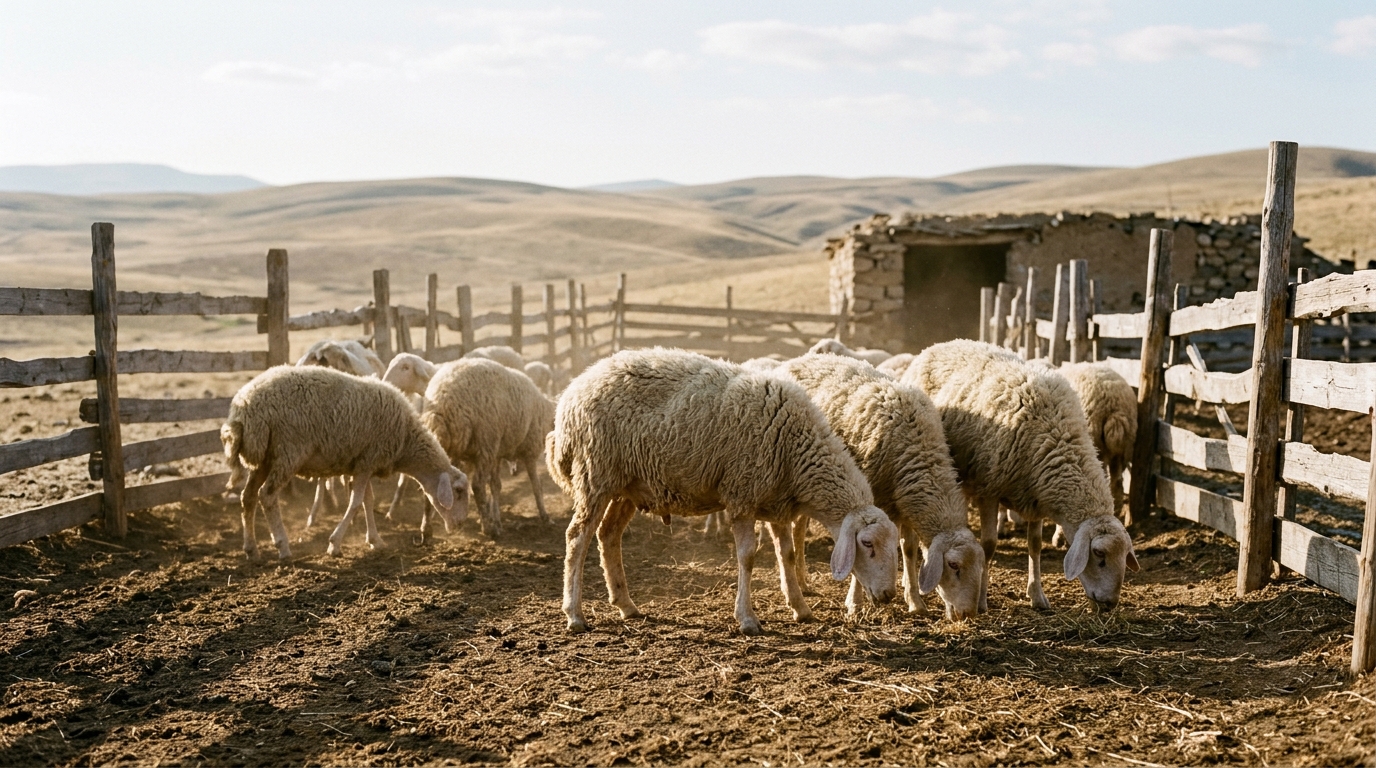
To investigate the microbiological determinants of this reproductive failure under real-world conditions, researchers monitored an entire commercial Kangal sheep flock situated in Gökçeyazı Village, within the Gürün District of Sivas Province, Türkiye. Located at an altitude of 1790 meters on a high-elevation mountainous steppe dominated by extensive natural grazing pastures, the participating farm maintained a documented multi-year history of elevated flock infertility. At the commencement of the breeding season, investigators enrolled a cohort comprising 905 multiparous Kangal ewes aged 3 to 6 years and weighing between 58 and 66 kilograms, alongside 44 mature Kangal rams aged 4 to 6 years weighing 112 to 128 kilograms. Animals exhibiting purulent, mucopurulent, or serosanguineous exudates were excluded from the trial, leaving 880 clinically healthy ewes exhibiting normal, clear, odourless vaginal secretions free of particulate matter for monitored seasonal natural breeding.
The enrolled ewes were subsequently managed under uniform nutritional regimens and environmental conditions with natural mating opportunities recorded across consecutive reproductive cycles. Following the initial breeding cycle, transrectal ultrasonography conducted 16 to 21 days post-copulation confirmed that 171 ewes had failed to conceive. These non-pregnant animals underwent a second mating cycle, which produced 50 confirmed gestations. The remaining 121 non-pregnant females entered a third scheduled mating cycle, which yielded an additional 36 pregnancies. Parity data revealed that 76 of these 85 non-pregnant ewes were multiparous females that had previously delivered three, four, or five litters, while only nine were biparous females, mirroring bovine patterns where advancing maternal parity and cumulative lifetime parturition events are statistically associated with escalating repeat breeding incidence.
To separate systemic infectious diseases from localized urogenital dysbiosis, researchers subjected blood samples from all 85 non-pregnant ewes to serological screening. This identified 21 animals that tested seropositive for Coxiella burnetii antibodies or border disease virus antigen without presenting clinical abortion events, leading to their prompt exclusion and slaughter. From the remaining cohort of 64 non-pregnant ewes that tested strictly negative for Brucella species, Coxiella burnetii, and border disease virus, researchers randomly selected 25 individuals to constitute the repeat breeder cohort, designated as Group 2. For comparative baseline analysis, 25 multiparous ewes of matching age, parity, and body weight that had successfully conceived during their first natural mating cycle and tested negative for systemic pathogens were randomly assigned to the healthy control cohort, Group 1. Preputial swab samples were simultaneously procured from 15 active breeding rams selected from the sire flock, establishing a 65-animal sampling matrix evaluated through duplicate vaginal and preputial swabs transported to the microbiology laboratory at 4 degrees Celsius.
Laboratory analysis paired conventional microbiological culture with targeted polymerase chain reaction assays. Swab samples were inoculated into selective pleuropneumonia-like organism broth without crystal violet and incubated under microaerophilic conditions containing 10 percent carbon dioxide for seven days, followed by subculture onto solid agar media to observe characteristic fried-egg colony morphology. Concurrently, genomic DNA was extracted from raw swabs using phenol-chloroform-isoamyl alcohol extraction protocols and evaluated through thermal cycling across an array of ruminant reproductive pathogens. Direct molecular assays screened for Brucella species, Mycoplasma species, Chlamydophila species, Campylobacter species, Coxiella burnetii, Salmonella Abortusovis, Trueperella pyogenes, and Klebsiella pneumoniae. Broth culture performance proved notably vulnerable to fastidious growth limitations and environmental contamination; preputial broth cultures from 9 of the 15 rams were completely overgrown by antibiotic-resistant opportunistic flora, rendering 60.0 percent of male culture samples unevaluable and underscoring the diagnostic limitations of culture under pastoral field conditions.
Direct polymerase chain reaction assays demonstrated marked diagnostic superiority over culture, detecting universal Mycoplasma species in 21 of the 25 repeat breeder ewes (84.0 percent), whereas broth and agar culture isolated the organism in only 12 of 25 diseased females (48.0 percent). Among the 12 culture-positive samples, species-specific molecular amplification confirmed that 11 isolates (91.7 percent) represented Mycoplasma bovigenitalium, establishing its dominance within the viable mycoplasmal flora. More importantly, direct mucosal swab amplification identified an additional nine mycoplasma cases that evaded culture recovery entirely. Across the healthy control cohort of 25 ewes, direct molecular testing returned zero positive detections for any Mycoplasma species, yielding a Bonferroni-adjusted statistical significance of padj < 0.001. Similarly, species-specific testing detected Mycoplasma bovigenitalium in 10 of 25 diseased ewes (40.0 percent) compared with zero healthy control animals (padj = 0.005), directly implicating the organism in chronic reproductive tract failure.
Molecular surveillance across the 15 breeding rams revealed that 4 males (26.7 percent) carried preputial Mycoplasma species, with one ram confirmed positive for Mycoplasma bovigenitalium. Although the prevalence difference between rams and healthy ewes was attenuated by conservative statistical corrections (padj = 0.12), individual-level heatmap profiling demonstrated identical pathogen profiles between sires and affected ewes. Given that the entire flock relied exclusively on natural service, asymptomatic male colonization represents a biologically plausible reservoir for continuous venereal dissemination during copulation. The investigation also identified high rates of polymicrobial colonization involving Trueperella pyogenes, which was detected in 13 of 25 diseased ewes (52.0 percent) versus 6 of 25 healthy control ewes (24.0 percent), corresponding to an odds ratio of 3.43. While multiple-comparison adjustments yielded an adjusted p-value of 0.634, the biological co-occurrence of Trueperella pyogenes alongside Mycoplasma bovigenitalium in affected ewes aligns closely with synergistic mucosal disruption models documented in bovine post-partum endometritis.
In contrast to the divergent distribution of mycoplasmas, a broad range of opportunistic and commensal bacteria showed equivalent carriage rates between reproductive groups. Campylobacter species were detected in 40.0 percent of repeat breeders, 32.0 percent of healthy ewes, and 33.3 percent of rams; however, species-specific assays showed all samples were negative for classic abortifacient strains, including Campylobacter fetus subsp. fetus, Campylobacter fetus subsp. venerealis, and Campylobacter jejuni. Furthermore, prevalence rates for Staphylococcus species (16.0 percent versus 36.0 percent), Streptococcus species (8.0 percent versus 20.0 percent), generic Salmonella species (4.0 percent versus 24.0 percent), and Escherichia coli (16.0 percent versus 40.0 percent) did not differ significantly between diseased and healthy cohorts (all padj > 0.78). Commensal organisms occurred at numerically higher frequencies in fertile controls, supporting their function as normal genital microbiota. Evaluating overall co-infection burden demonstrated that repeat breeders carried a significantly higher pathogen load (mean of 2.60 pathogens per animal) than fertile ewes (1.76) or rams (1.13; Kruskal–Wallis H = 9.52, p = 0.009), with 28.0 percent of repeat breeders carrying three or more pathogens simultaneously.
The study authors highlighted several methodological limitations, noting that the single-flock cross-sectional design restricts geographic generalizability and precludes causal determination regarding whether mycoplasmal invasion initiates mucosal inflammation or exploits pre-existing endometrial weakness. The absence of multilocus sequence typing or whole-genome sequencing prevented conclusive molecular tracing of venereal transfer between individual rams and ewes, while the modest cohort size of 65 animals limited statistical power after Bonferroni correction. Nevertheless, the complete absence of Mycoplasma species from healthy conceiving ewes and the substantial diagnostic deficit of microbial culture indicate that direct polymerase chain reaction testing provides the most robust detection tool for flock investigations. The authors conclude that prospective longitudinal trials combining metagenomic sequencing with pre-breeding molecular screening of rams will be critical for elucidating host-pathogen dynamics and mitigating infectious repeat breeding in small ruminants.
Subject of Research: Genital microbial profiling of repeat breeding Kangal sheep and natural mating rams
Article Title: Genital microbial profile of repeat breeding in a Kangal sheep flock: a survey of ewes and rams under natural mating
Article References: Takcı, A., Moğulkoç, M. N., Kıvrak, M. B., Kalın, R., Demirel, M. A., & Sönmez Ünal, G. (2026). Genital microbial profile of repeat breeding in a Kangal sheep flock: a survey of ewes and rams under natural mating. Archives Animal Breeding, 69(4), 619-632. https://doi.org/10.5194/aab-69-619-2026
Image Credits: AI Generated
Keywords: veterinary medicine, sheep breeding, Mycoplasma bovigenitalium, Trueperella pyogenes, repeat breeding, ovine reproduction, microbial profiling, natural mating, Genital, microbial, profile, repeat
News Source: Drew Townsend. (November 6, 2026). Genital Mycoplasma Infections Linked to Repeat Breeding in Turkish Kangal Sheep. Scienmag.