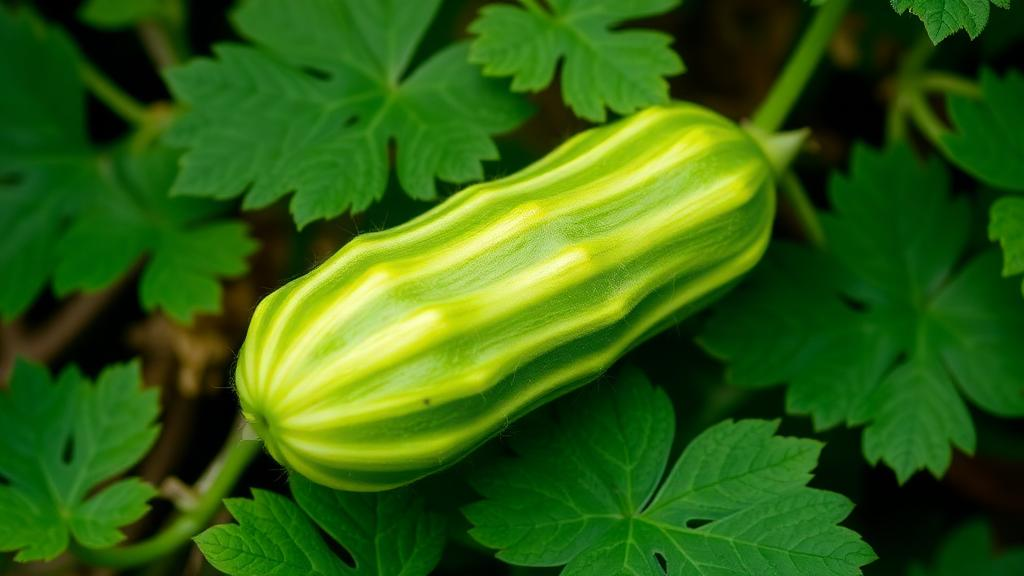
A sprawling climbing vine that rural healers from Ethiopia to Southeast Asia have relied on for generations is now attracting serious attention from laboratory scientists. A new systematic review published in BMC Complementary Medicine and Therapies has pulled together decades of scattered research on the genus Zehneria, a little-known relative of the cucumber and pumpkin within the gourd family Cucurbitaceae, and concluded that these plants carry genuine pharmacological promise. The analysis, led by Abdi Leta Gemechu of Ambo University in Ethiopia together with colleagues at Wolkite University and Salale University, was registered in advance on PROSPERO and conducted according to the PRISMA reporting guidelines, giving the synthesis a methodological rigor that many earlier narrative accounts of medicinal plants have lacked.
The review team searched four major databases, PubMed, Google Scholar, Scopus, and ScienceDirect, with no restrictions on publication date, casting the widest possible net for studies documenting how Zehneria species are used in traditional healing, what chemical constituents they contain, and what biological effects have been measured in the laboratory. The initial sweep returned 1,188 records. After removing 15 duplicates, the researchers screened titles and abstracts and then full texts against predefined inclusion and exclusion criteria, admitting only original research articles that reported ethnomedicinal, phytochemical, or pharmacological data. In the end, 40 studies survived the gauntlet and formed the evidence base for the final analysis, which was synthesized using a qualitative descriptive approach rather than statistical pooling, an appropriate choice given the heterogeneity of the underlying experiments.
What emerged from that synthesis is a portrait of a genus whose reputation in folk medicine is being progressively validated at the bench. Zehneria scabra, a twining herb recognized across large parts of Africa and Asia, stands out as by far the most extensively studied species of the group. Traditional practitioners have long employed it against infectious diseases, gastrointestinal complaints, inflammatory conditions, and skin ailments, and the review confirmed that this pattern of use is remarkably consistent across geographies and cultures. That consistency matters scientifically: when unrelated communities independently converge on the same plant for the same categories of illness, it often signals that the plant genuinely contains biologically active compounds rather than merely occupying a cultural niche.
The pharmacological evidence assembled in the review spans an unusually broad spectrum of activities. Experimental studies demonstrated antimicrobial effects against bacterial and fungal pathogens, antiplasmodial activity relevant to malaria, anti-inflammatory and antioxidant actions, wound-healing properties, antidiarrheal effects, and even insecticidal activity. Each of these endpoints maps directly onto a traditional use documented in the ethnomedicinal record, from the treatment of fevers and wounds to the management of diarrhea and skin infections. The alignment between folk indications and laboratory outcomes is the kind of ethnopharmacological convergence that drug discovery teams look for when deciding which natural products deserve deeper investigation.
Underpinning these biological effects is a rich and diverse phytochemistry. Phytochemical investigations of Zehneria species have revealed flavonoids, alkaloids, phenolic compounds, terpenoids, and triterpenoids, several classes of molecules with well-established pharmacological pedigrees. Flavonoids and other phenolics are frequently responsible for antioxidant and anti-inflammatory effects through the scavenging of reactive oxygen species and the modulation of inflammatory signaling pathways. Alkaloids have historically yielded some of medicine’s most potent agents, while triterpenoids are increasingly studied for antimicrobial and cytotoxic properties. Notably, the review reports that novel compounds with potential therapeutic relevance have been isolated from the genus, meaning that Zehneria is not merely a source of known chemical scaffolds but may harbor molecular structures not yet described in the wider literature.
The authors are careful, however, to flag a significant imbalance in the evidence base. Of all the species in the genus, the overwhelming majority of published work concentrates on Zehneria scabra, leaving its relatives largely unexamined in the laboratory. This concentration means that generalizations about the therapeutic potential of the genus rest heavily on a single species, and the review explicitly notes where conclusions are limited by this skew. For biodiversity and drug discovery purposes, that gap is tantalizing: closely related species often produce structurally similar but chemically distinct metabolites, and unstudied Zehneria species could contain compounds with activity profiles quite different from those of their well-known cousin.
Equally important are the translational caveats that the review lays out. Nearly all of the pharmacological data come from preclinical experimental models, in vitro assays and animal studies, rather than controlled trials in humans. The review’s authors call for standardization of extraction methods, a persistent problem in natural products research where different solvents, plant parts, and preparation techniques can yield extracts of wildly varying composition and potency. Without standardized extracts, results from different laboratories are difficult to compare, and reproducibility suffers. The authors also emphasize the need for rigorous safety and toxicity evaluations, since a compound that kills parasites or bacteria in a dish may also harm host cells at similar concentrations, and for properly designed clinical studies before any evidence-based therapeutic application can be recommended.
These limitations do not diminish the significance of the synthesis; they define the roadmap. The trajectory from ethnomedicinal observation to approved medicine typically runs through phytochemical characterization, bioassay-guided fractionation to identify the active molecules, pharmacokinetic and toxicological profiling, and finally clinical testing. Zehneria scabra has now cleared the first two stages with credible data, and the systematic review consolidates that progress in a form that other researchers can build on. The open-access publication, released on 8 September 2026 with a permanent DOI, ensures that the compiled evidence is freely available to research groups in the low- and middle-income countries where these plants actually grow, a small but meaningful correction to the historical pattern in which the medicinal knowledge of the Global South is validated and commercialized elsewhere.
There is also a conservation and cultural dimension to the findings. Plants used in traditional medicine are often harvested from the wild, and rising scientific interest can either support sustainable cultivation or accelerate overexploitation. Documenting the ethnomedicinal uses of Zehneria species, as this review does, preserves knowledge that is vulnerable to being lost as traditional healers age and as younger generations migrate to cities. At the same time, confirming pharmacological activity gives local communities and national authorities a scientific rationale for protecting both the plants and the habitats they depend on, and potentially for developing cultivated supply chains that benefit the communities who originated the knowledge.
For now, the message of the review is one of measured enthusiasm. The genus Zehneria, and Zehneria scabra in particular, has moved from anecdote to evidence, with 40 studies documenting a coherent story of traditional use, plausible bioactive chemistry, and demonstrable laboratory activity against pathogens, inflammation, oxidative stress, and impaired wound repair. What remains is the harder, more expensive work of isolating single active compounds, establishing dose-response relationships and safety margins, and testing standardized preparations in clinical settings. If those steps succeed, a vine that village healers have trusted for centuries could eventually contribute molecules to the modern pharmacopoeia, joining the long list of drugs, from artemisinin to aspirin’s derivatives, that began as folk remedies and ended as prescription medicines.
Subject of Research: Ethnomedicinal uses, phytochemistry, and pharmacological activities of the medicinal plant genus Zehneria (Cucurbitaceae), with emphasis on Zehneria scabra
Article Title: Therapeutic potential of the genus Zehneria (Cucurbitaceae): a systematic review of ethnomedicinal uses, phytochemistry, and pharmacological activities, with a predominant focus on Zehneria scabra
Article References: Gemechu, A. L., Diba, G., Mekuria, M. A., & Damissie, G. (2026). Therapeutic potential of the genus Zehneria (Cucurbitaceae): a systematic review of ethnomedicinal uses, phytochemistry, and pharmacological activities, with a predominant focus on Zehneria scabra. BMC Complementary Medicine and Therapies. https://doi.org/10.1186/s12906-026-05576-z
Image Credits: AI Generated
DOI: 10.1186/s12906-026-05576-z
Keywords: Zehneria, Zehneria scabra, Cucurbitaceae, ethnomedicine, phytochemistry, pharmacology, systematic review, natural products, antimicrobial, anti-inflammatory, traditional medicine, drug discovery
News Source: Louis Brooks. (October 5, 2026). Humble Cucumber Relative Zehneria Emerges as a Pharmacological Powerhouse in Traditional Medicine. Scienmag.