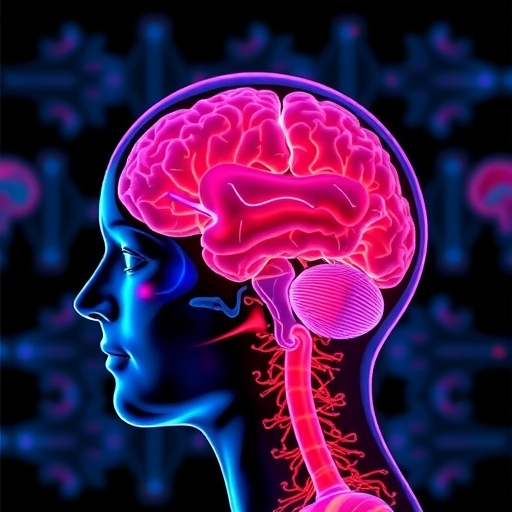
The brain is increasingly being understood not as an isolated command center, but as part of a continuously communicating biological network that includes the heart, immune system, metabolism and other organs. A survey published in The Journal of Engineering and Applied Sciences?—No, source only gives article and DOI; don’t name journal. Article “Brain-body interactions…” presents neuroimaging as a key method for revealing how systemic diseases reshape the brain and how brain disorders, in turn, influence the rest of the body. The findings support a more integrated model of human health, in which neurological and peripheral diseases are linked through neural, endocrine, vascular and immune pathways.
Magnetic resonance imaging (MRI) is central to this emerging field because it allows researchers to examine brain structure and function in living patients without exposing them to ionizing radiation. Structural MRI can measure regional brain volume, cortical thickness and the condition of white matter, the communication network formed by nerve fibers. Functional MRI, by tracking changes in blood oxygenation, provides indirect measures of neural activity and identifies alterations in connectivity between brain regions. Diffusion tensor imaging offers a closer look at the organization of white matter by mapping the movement of water along nerve fibers, while magnetic resonance spectroscopy can detect changes in brain chemistry, including metabolites associated with energy use, inflammation and neuronal injury.
Cardiovascular disease provides one of the clearest examples of the brain-body connection. Long-term hypertension can damage small blood vessels that supply the brain, while atherosclerosis may reduce the flexibility and efficiency of larger arteries. Heart failure can also limit cerebral blood flow and alter the delivery of oxygen and nutrients. MRI studies have associated these conditions with white matter hyperintensities, reductions in gray matter volume and changes in cerebral perfusion. Such abnormalities may appear before obvious memory loss or other cognitive symptoms, raising the possibility that neuroimaging could identify cardiovascular-related brain injury at an earlier stage. The growing concept of the “cardiac brain” emphasizes that protecting the heart may also help preserve cognition.
Metabolic health is similarly reflected in the brain. Diabetes exposes tissues to prolonged hyperglycemia, insulin resistance and vascular stress, while obesity can promote chronic low-grade inflammation and hormonal disruption. Together, these processes may accelerate biological brain aging and increase the risk of cognitive decline and dementia. Imaging research has linked type 2 diabetes with smaller hippocampal volumes, compromised white matter integrity and disrupted functional communication among networks involved in memory, attention and executive control. These changes suggest that the effects of metabolic disease extend beyond the blood vessels and may directly influence the brain’s ability to maintain and repair its neural circuits.
The immune system represents another major route of communication between the body and the brain. In autoimmune diseases such as systemic lupus erythematosus and rheumatoid arthritis, persistent inflammation can affect the vascular system and alter the permeability of the blood-brain barrier. This barrier, formed by specialized blood vessels and supporting cells, normally limits the entry of potentially harmful substances into neural tissue. When its protective function is weakened, inflammatory molecules and immune cells may contribute to neuroinflammation, altered neurotransmission and neuronal dysfunction. Multiple sclerosis illustrates a more direct immune attack on the central nervous system, with imaging revealing lesions and changes in brain volume that may develop alongside, or sometimes precede, clinical disability.
Infectious diseases have made the systemic vulnerability of the brain especially visible. During and after COVID-19, neuroimaging studies reported changes in brain structure, connectivity and metabolism in some patients, including individuals who experienced persistent symptoms after the acute infection had resolved. The biological mechanisms remain under investigation and may involve inflammation, vascular injury, impaired oxygen delivery, immune dysregulation or indirect effects of severe illness. Comparable concerns have emerged after other viral and bacterial infections, reinforcing the idea that pathogens do not need to invade brain tissue directly to affect neurological function. Systemic infection can create a biological environment capable of altering the brain over extended periods.
The relationship also works in the opposite direction. Brain disorders can influence peripheral organs through the autonomic nervous system, which regulates heart rate, blood pressure, digestion and immune activity. Endocrine pathways involving stress hormones can modify metabolism and immune responses, while inflammatory signals generated in the body can feed back into the brain and affect mood, cognition and behavior. This bidirectional communication helps explain why neurological and psychiatric conditions are frequently accompanied by cardiovascular, gastrointestinal or immune disturbances. It also provides a framework for understanding psychoneuroimmunology, a field focused on the interactions among psychological processes, the nervous system and immune function.
The clinical potential of these discoveries is substantial. Imaging biomarkers could help detect hidden brain involvement in patients being treated for hypertension, diabetes, autoimmune disease or infection. They might also assist physicians in estimating disease risk, selecting therapies and monitoring whether an intervention is protecting neural tissue. Conversely, treatments aimed at systemic inflammation, vascular health or metabolic regulation could potentially improve outcomes in brain disorders. The survey emphasizes that a patient’s neurological condition should not be assessed independently from the health of the heart, blood vessels, immune system and metabolism.
The next phase of brain-body research will depend on combining multiple forms of evidence rather than relying on a single scan or biological measurement. Integrating structural MRI, fMRI, diffusion imaging, spectroscopy, blood-based biomarkers and clinical data may reveal patterns that are invisible to any one technique. Machine-learning systems could help identify complex imaging signatures associated with disease and predict which patients are most likely to develop cognitive complications. However, large longitudinal studies will be essential to determine whether imaging changes are causes, consequences or early indicators of systemic disease. By tracing these relationships over time, researchers hope to transform brain-body imaging from a descriptive tool into a practical system for earlier diagnosis, individualized treatment and prevention.
Subject of Research: Not applicable
Article Title: Brain-body interactions in systemic diseases: a survey from an imaging perspective
Web References: https://doi.org/10.1007/s11684-026-1229-8
Image Credits: Higher Education Press
Keywords: brain-body interactions, magnetic resonance imaging, systemic diseases, neuroimaging, cardiovascular disease, diabetes, autoimmune disease, neuroinflammation, COVID-19, brain health
Tags: blood oxygenation level-dependent imagingbrain–body interactionsendocrineimpact of brain disorders on peripheral organsintegrated model of human healthMRI-based insights into neurovascular and immune system interactionsneuralneuroimaging techniques for systemic healthrole of MRI in understanding brain-body connectionstructural and functional MRI for brain healthsystemic disease and neuroimagingvascular and immune pathways in diseasewhite matter organization and nerve fiber mapping