


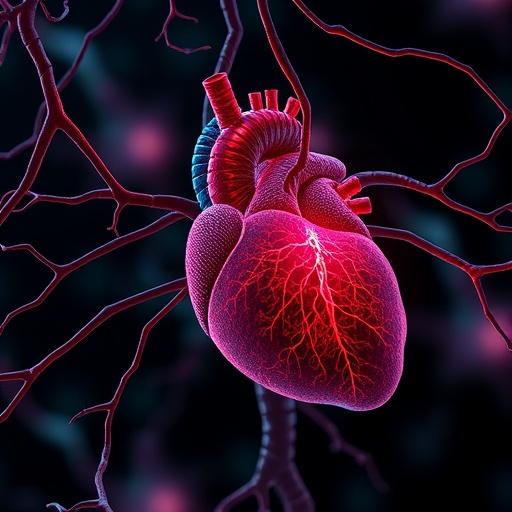
A team studying how blood-borne danger signals harm the heart has traced a new pathway linking extracellular histones to cardiomyocyte failure, revealing a sequence of cellular events that may explain why inflammatory complications can rapidly tip toward organ dysfunction. The findings come from a 2026 study in Cell Death Discovery that dissects the molecular choreography triggered when histones escape their usual nuclear role and enter the extracellular space.
Histones are best known for packaging DNA inside the nucleus, but during severe inflammation and cell damage, they can be released into circulation. Once outside cells, these proteins behave like potent alarm signals, capable of provoking coagulation, endothelial injury, and immune activation. The new work focuses on what happens inside heart muscle cells when they are exposed to this histone “signal,” with an emphasis on causality rather than correlation.
Using experimental systems that model histone exposure, the researchers report that cardiomyocytes undergo dysfunction marked by impaired viability, altered stress responses, and disruption of membrane integrity. Rather than a single-hit mechanism, the study describes a layered cascade, starting with rapid biochemical stress that primes downstream death pathways.
A central theme is how extracellular histones perturb membrane-associated signaling and cellular homeostasis. The authors present evidence consistent with histone-driven receptor or membrane interactions that rapidly activate intracellular stress circuits, including pathways associated with inflammation-like sensing and mitochondrial strain.
As mitochondrial function deteriorates, the study links histone exposure to energy collapse and escalated oxidative stress. This, in turn, promotes progressive loss of cellular control, setting the stage for cell death. The authors emphasize that the damage is mechanistically connected to histone activity, rather than being a byproduct of nonspecific toxicity.
The work also highlights the possibility of interlinked death modalities. By comparing cellular readouts across conditions, the researchers argue that histones can steer cardiomyocytes toward lethal outcomes through mechanisms that converge on common execution steps, including breakdown of survival signaling and amplification of damage-feedback loops.
Beyond identifying targets, the study frames extracellular histones as a modifiable driver of cardiac injury in systemic inflammatory states. If confirmed in broader models, neutralizing or intercepting histone activity could reduce the likelihood that inflammation-associated protein release escalates to heart dysfunction.
Taken together, the research provides a mechanistic map of how extracellular histones compromise cardiomyocytes, offering a more precise rationale for therapeutic strategies that aim to block circulating histone toxicity. For clinicians and drug developers, the pathway described may help prioritize interventions in conditions where histone release is suspected to contribute to organ failure.
Subject of Research: Cardiomyocyte dysfunction induced by extracellular histones
Article Title: Mechanisms of cardiomyocyte dysfunction induced by extracellular histones.
Article References: Al-Owais, M.M., Yang, Z., Steele, D.S. et al. Mechanisms of cardiomyocyte dysfunction induced by extracellular histones. Cell Death Discov. (2026). https://doi.org/10.1038/s41420-026-03274-w
DOI: https://doi.org/10.1038/s41420-026-03274-w
Tags: cellular stress responses to extracellular histonesdanger signals in cardiovascular diseaseextracellular histones and endothelial damageextracellular histones cardiomyocyte dysfunctionhistone escape and cell death pathwayshistone-induced cardiac cell injuryhistone-mediated coagulation and immune activationimpact of extracellular histones on heart muscle cellsinflammation-related cardiomyocyte failuremechanisms of organ dysfunction in inflammationmembrane disruption in cardiomyocytesmolecular pathways of histone toxicity in heart


