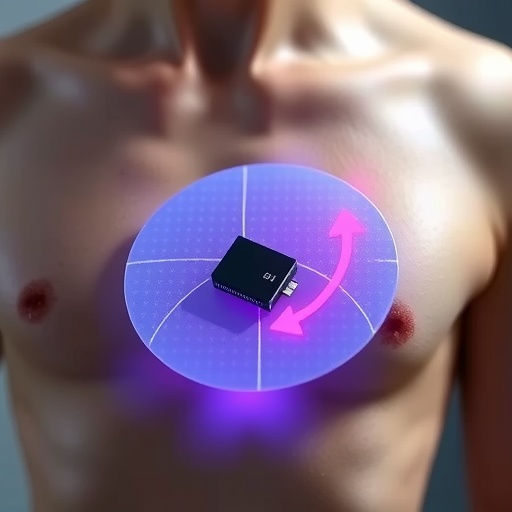
A research team has unveiled a closed-loop theranostic patch designed to tackle the chronic wound problem that persists in many patients despite standard care. Reported in npj Flexible Electronics (2026), the device combines a soft hydrogel matrix with integrated flexible electronics to move beyond passive dressing by actively monitoring wound status and dynamically responding to it.
At the heart of the platform is a hydrogel that functions as more than a moisture-retaining scaffold. Embedded features enable the patch to support therapeutic delivery while maintaining intimate contact with irregular wound surfaces. The researchers leverage this soft interface to improve stability where conventional rigid sensors struggle.
What differentiates the system is its closed-loop logic. Instead of delivering treatment on a fixed schedule, the patch interprets signals from the wound environment and then modulates action accordingly. This adaptive approach targets a persistent gap in wound care: the biochemical trajectory of healing can change hour by hour, yet many therapies do not.
The electronics are engineered for skin-like compliance, allowing the patch to conform during movement. Flexible components are positioned to minimize mechanical mismatch, which is critical for long-term wear. By reducing stress concentrations at the wound margin, the patch aims to maintain reliable sensing and effective drug or bioactive release.
From a theranostic perspective, the patch supports simultaneous “therapy and diagnosis.” Sensing elements capture relevant wound indicators, which the system processes to decide when and how to adjust treatment output. Such feedback control can help suppress lingering inflammation, manage bioburden-related conditions, and support tissue repair rather than waiting for external clinical reassessment.
In chronic wounds, delayed healing often correlates with disrupted microenvironments—oxygen gradients, moisture imbalance, and inflammatory signaling. The closed-loop strategy is intended to counter those dynamics by translating real-time measurements into tailored interventions.
The work also highlights the promise of hydrogel–electronics integration as a design principle for next-generation wearable medical devices. Beyond wound care, similar architectures could be adapted for post-surgical monitoring, diabetic ulcers, and other localized healing problems where timing and dosage are crucial.
The authors cite npj Flex Electron as the venue for the study and provide the DOI record for reference, marking a step toward responsive, data-informed dressings that behave more like embedded care than temporary coverage. If validated broadly, closed-loop patches could shift wound management from reactive to continuous, programmable therapy.
Subject of Research: Chronic wound management using a closed-loop theranostic hydrogel-electronics patch.
Article Title: Closed-loop theranostic hydrogel-electronics patch for chronic wound management.
Article References: Lin, K., Yang, B., Yan, G. et al. Closed-loop theranostic hydrogel-electronics patch for chronic wound management. npj Flex Electron (2026). https://doi.org/10.1038/s41528-026-00623-8
Image Credits: AI Generated
Tags: adaptive wound healing deviceschronic wound management technologychronic wound monitoringclosed-loop wound therapy systemflexible electronics for wound carehydrogel-based therapeutic deliveryintegrated biocompatible electronics for tissue repairlong-term wearable wound monitorsresponsive wound dressing platformsskin-conforming flexible sensorssmart wound dressings with real-time sensingtheranostic hydrogel-electronics patch