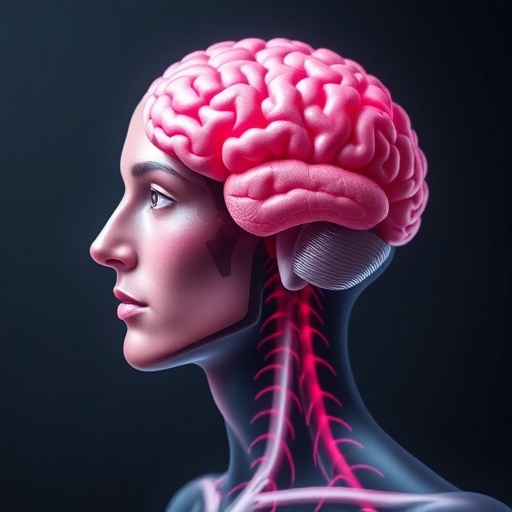
A groundbreaking study published in npj Parkinson’s Disease has unveiled new insights into the intricate interaction between cognitive and motor symptoms in Parkinson’s disease (PD), shedding light on the underlying neural mechanisms that drive cognitive-motor interference (CMI). This research provides a critical perspective into how cognitive overload exacerbates motor dysfunction, impacting daily life activities for patients.
Parkinson’s disease is traditionally characterized by its motor symptoms, such as tremors, rigidity, and slowed movements. However, recent clinical observations increasingly highlight the significance of cognitive deficits that occur concomitantly, often complicating motor performance. The phenomenon of cognitive-motor interference refers to the scenario where performing cognitive tasks simultaneously with motor tasks leads to an overall decline in effectiveness of one or both actions.
Using advanced neuroimaging techniques, the researchers analyzed brain activity in PD patients as they engaged in dual-task scenarios—combining walking or hand movements with memory or problem-solving exercises. Functional MRI and electroencephalography (EEG) metrics revealed dysregulated connectivity between prefrontal cortical regions responsible for executive function and motor planning areas, such as the basal ganglia and supplementary motor cortex.
The data suggest that during dual-tasking, PD patients exhibit reduced neural efficiency and compensatory recruitment of additional brain regions compared to healthy controls. This maladaptive plasticity is thought to underlie the increased error rates and slower response times observed clinically. Notably, the study identified alterations in the frontostriatal circuits that modulate attention and action selection, implicating dopamine depletion as a key pathological driver.
Clinically, these findings underscore the importance of integrating cognitive training with traditional physical therapy in managing Parkinson’s disease. The disruption of cognitive-motor integration not only impairs task execution but also elevates the risk of falls and injuries, signaling a need for interventions targeting the neural substrates of CMI.
The study also suggests potential biomarkers for early detection of cognitive-motor decline, which could facilitate timely therapeutic strategies before severe functional impairments emerge. Researchers are optimistic that this mechanistic understanding will inspire novel drug targets or neuromodulation approaches designed to enhance neural network resilience.
In sum, this work marks a pivotal advancement in Parkinson’s research, highlighting that motor symptoms cannot be fully addressed without considering cognitive contributions. As PD management moves toward precision medicine, addressing the complex brain dynamics of dual-task interference represents a promising frontier.
Future research directions include longitudinal studies to track progression of CMI and clinical trials evaluating combined cognitive and motor rehabilitation programs. The intersection of cognitive neuroscience and movement disorder studies paves the way for more holistic patient care and enhanced quality of life for millions affected worldwide.
Subject of Research: Cognitive-motor interference in Parkinson’s disease and its neural correlates.
Article Title: The clinical manifestation and neural correlates of cognitive-motor interference in Parkinson’s disease.
Article References:
Wu, J., Chen, J., Zhou, C. et al. The clinical manifestation and neural correlates of cognitive-motor interference in Parkinson’s disease. npj Parkinsons Dis. (2026). https://doi.org/10.1038/s41531-026-01464-y
Image Credits: AI Generated
Tags: basal ganglia and motor planningbrain connectivity in Parkinson’scognitive overload effects in PDdual-task performance in Parkinson’sexecutive function and motor controlfunctional MRI and EEG in PDimpact of cognitive load on motor performancemotor and cognitive symptom interactionneural mechanisms in Parkinson’sneuroimaging in Parkinson’s diseaseneuroplasticity in Parkinson’s diseaseParkinson’s disease cognitive-motor interference