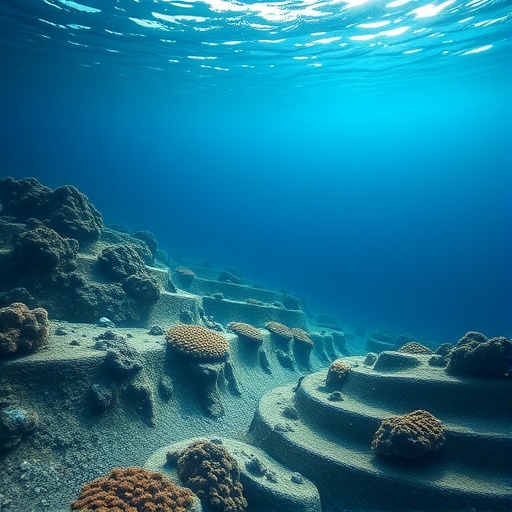
The long-anticipated Biodiversity Beyond National Jurisdiction (BBNJ) agreement, colloquially referred to as the High Seas Treaty, officially came into effect in January, marking a milestone in international ocean governance. This landmark agreement, the culmination of nearly two decades of complex negotiations, addresses the conservation and sustainable use of marine biological diversity in the vast, remote areas of the global ocean that lie beyond any single country’s jurisdiction. These international waters, comprising roughly two-thirds of the ocean’s surface, remain largely mysterious, harboring untapped biodiversity and resources yet to be fully understood or quantified.
While the BBNJ treaty’s political framework has received significant attention, a recently published study in npj Ocean Sustainability shines a spotlight on the scientific dimensions critical to turning policy aspirations into actionable outcomes. The study underscores a glaring gap: how science can effectively contribute to and underpin the treaty’s implementation, ensuring that measures devised at diplomatic tables translate to meaningful conservation on the high seas. This comprehensive review was undertaken by an international consortium of marine scientists and policy experts, aimed at aligning cutting-edge scientific knowledge and emerging technologies with the treaty’s four foundational pillars.
The experts meticulously analyzed the existing body of marine science relevant to BBNJ’s objectives and identified key technological and data deficiencies that could impede progress. These include fundamental challenges such as inadequate biodiversity monitoring, the absence of long-term ecological data series, and an incomplete understanding of large-scale oceanic processes, including connectivity among disparate marine habitats in deep and remote oceanic zones. Such knowledge gaps present substantial barriers to effective implementation, given the BBNJ’s goal to protect ecosystems that transcend national boundaries yet remain vitally important to global environmental health.
Despite these challenges, the study reveals optimism rooted in recent technological advances that promise to revolutionize ocean exploration and data gathering. Autonomous marine vessels, capable of conducting vast underwater surveys without direct human operation, have emerged as indispensable tools for expanding observational capacity in inaccessible areas. Additionally, the advent of artificial intelligence and machine learning systems enhances the ability to analyze enormous datasets, detect patterns, and accelerate ecological assessments, thus addressing several critical bottlenecks in marine biodiversity research.
Building on these insights, the researchers devised a pragmatic, solutions-focused roadmap to guide the scientific and policy communities in delivering on the BBNJ’s ambitions. This roadmap is not merely theoretical; it outlines concrete steps for integrating existing and emerging technologies, improving data interoperability, and fostering international cooperation. The approach emphasizes the necessity for scalable, globally applicable mechanisms that can be equitably implemented across both developed and developing nations, ensuring a truly collective endeavor in safeguarding ocean biodiversity.
According to Dr. Claire Szostek, lead author and Lecturer in Marine Conservation at the University of Plymouth, the BBNJ agreement is a monumental global achievement with the potential to protect some of the ocean’s most pristine and least studied ecosystems. She emphasizes that previous discussions have largely focused on policy frameworks, often neglecting the crucial role of scientific guidance for implementation. Her team’s work delivers a much-needed scientific blueprint, highlighting pathways to achieve sustainable, equitable, and resilient management of the high seas.
The timing of this study coincides with growing global momentum following the Third BBNJ Symposium held in Rio de Janeiro in March. This event convened a diverse cohort of stakeholders—including scientists, policymakers, Indigenous Peoples and Local Communities (IPLCs), and civil society—to deliberate on the vital intersection of science and governance in managing biodiversity beyond national jurisdictions. Professor Matt Frost, senior author and Head of the International Office at Plymouth Marine Laboratory, who participated in the symposium, underscores the complexity ahead: crafting the treaty’s rules was the foundational step, but ensuring their effective delivery demands unprecedented global scientific collaboration and capacity building.
A core element of the proposed roadmap is embracing technological innovation without forsaking crucial traditional scientific practices. Maintaining existing long-term ecological datasets and preserving taxonomic expertise remain vital, yet the study stresses the imperative of leveraging novel technologies for enhanced data collection. This includes deploying autonomous platforms, expanding satellite monitoring capabilities, and integrating sophisticated AI-driven analytical tools for data processing – all essential in bridging the vast data voids presently constraining our understanding of high seas ecosystems.
Recognizing the logistical and financial challenges inherent to exploring Areas Beyond National Jurisdiction, the researchers advocate for inventive funding models and data collection strategies. These might incorporate utilizing commercial fishing vessels as research platforms or fostering public-private partnerships to extend ocean monitoring infrastructure. Such enterprising approaches are critical given the high operational costs and technical hurdles in accessing and studying these distant marine environments, especially amidst global funding uncertainties.
Moreover, the study highlights the importance of designing marine spatial planning frameworks that are adaptive and climate-smart. As ocean temperatures rise and current patterns shift, species distributions will inevitably change, demanding management tools capable of dynamically responding to these transformations. This adaptability also extends to safeguarding carbon-rich seabed areas, leveraging conservation as a mitigation strategy within broader climate change objectives, thereby synergizing biodiversity protection with global environmental sustainability goals.
A final and pivotal component of the roadmap involves investing in capacity building and resource sharing among nations, with a pronounced emphasis on supporting less developed countries. Implementation success depends on nurturing international collaborations and harmonizing efforts across diverse environmental treaties. Only through equitable knowledge transfer and capacity enhancement can the BBNJ treaty’s vision be actualized on a truly global scale, avoiding disparities that could undermine conservation efficacy.
Co-authors Dr. Jeff Ardron from The Nature Conservancy and Chris Lyal of the Natural History Museum further stress the urgency of deepening our scientific comprehension of high seas ecosystems. Despite centuries of oceanic exploration, vast numbers of species remain undocumented, and essential ecological processes are poorly understood. They argue that the scientific momentum generated by the treaty’s political will must now transform into tangible investment in fundamental research, data collection, and biodiversity monitoring to realize meaningful protection for oceanic life.
In conclusion, the promulgation of the BBNJ agreement opens a new chapter in ocean governance, offering unparalleled opportunities to preserve the world’s most expansive and enigmatic marine habitats. This transformative treaty mandates a fusion of robust science, innovative technology, inclusive policy making, and international cooperation. The newly proposed roadmap, grounded in a critical evaluation of existing knowledge and technological capabilities, provides a strategic pathway for harnessing scientific advances to ensure that the High Seas Treaty fulfills its promise of sustaining marine biodiversity for generations to come.
Subject of Research: People
Article Title: Science challenges and solutions to support implementation of the Biodiversity Beyond National Jurisdiction Agreement
News Publication Date: 20-Mar-2026
Web References: http://dx.doi.org/10.1038/s44183-026-00191-4
References: The commentary published in npj Ocean Sustainability
Keywords
Biodiversity Beyond National Jurisdiction, high seas treaty, marine conservation, ocean governance, marine biodiversity, autonomous marine vessels, artificial intelligence, climate-smart marine spatial planning, data sharing, capacity building, sustainable ocean use, marine policy implementation
Tags: Biodiversity Beyond National Jurisdiction agreementemerging ocean technologiesglobal ocean sustainability effortsHigh Seas Treaty implementationinternational marine policy frameworksinternational ocean governancemarine biological diversity conservationmarine ecosystem protection beyond jurisdictionmarine science and diplomacyremote ocean biodiversity researchscientific contributions to ocean policysustainable use of marine resources