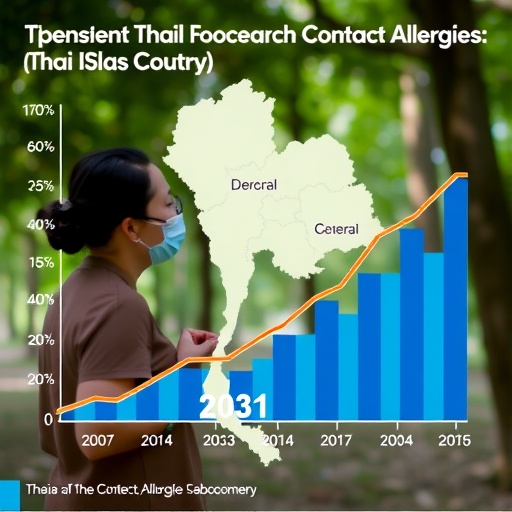
In recent years, the concern over contact allergies has increasingly caught the attention of researchers, particularly in the context of dermatological health. A study conducted in Thailand meticulously examined the rising trends in contact allergies to common metals, specifically nickel, cobalt, and chromium. These metals are ubiquitous in everyday items, such as jewelry, clothing, and cosmetics. The retrospective approach of this study, spanning a decade, offers critical insights into how these allergies have evolved and the underlying factors contributing to their prevalence in the Thai population.
The research led by Pruksaeakanan, Kanokrungsee, and Bunyavaree, in the Archives of Dermatological Research, provides outstanding data that encapsulates trends in allergic responses to these metal allergens over a significant period. The thorough nature of a ten-year retrospective review allows for a comprehensive understanding of environmental influences and individual susceptibility, opening up discussions about public health and preventive measures in dermatology.
Allergic reactions to metals such as nickel are particularly prevalent, manifesting in symptoms ranging from localized dermatitis to systemic allergic responses. The study indicates a disturbing rise in incidences, particularly among adolescents and young adults, a demographic that commonly engages with accessories and fashion, often laden with these metal allergens. The shift in age demographics may reflect changing lifestyle choices or increased exposure to potentially allergenic materials.
Moreover, cobalt and chromium, although less frequently discussed in the context of allergic reactions, have their own sets of challenges. Cobalt, commonly found in metal alloys and some industrial products, shows an alarming trend of increasing sensitization rates. Similarly, chromium, a common contaminant in various occupational settings, is a significant factor for workers in industries involved in metal processing. The grim reality is that prolonged exposure, regardless of the environment, could result in chronic dermatological conditions.
The ten-year time frame of the study enables the identification of specific trends over time, highlighting various socio-economic and environmental factors that may have contributed to rising allergy rates. Do patterns in consumer behavior correlate with the growing prevalence of these allergies? Are there specific time periods that coincide with increases in medical diagnosis related to contact dermatitis? This research suggests a comprehensive evaluation of these factors is necessary to fully understand the complex interplay between exposure and allergic development.
In addition to the quantitative data gathered over the decade, the qualitative aspects cannot be overlooked. Patient histories and experiences shared by individuals suffering from these allergies provide rich, narrative insights into the day-to-day disruptions caused by allergic reactions. The personal accounts help cement the notion that these allergies are not merely clinical statistics but rather significant and often distressing health issues impacting quality of life.
What stands out in this research is the proactive stance necessary for addressing the rising trends in metal allergies. Public awareness campaigns, educational outreach, and community-based health initiatives could play a critical role in mitigating risks associated with metal exposure. By providing information about the dangers of prolonged contact with nickel, cobalt, and chromium, individuals might make better-informed choices regarding the products they use daily.
The study further suggests that regulation within industries, particularly those dealing with metals, is paramount for public health safety. Regulatory measures could ensure that products entering the marketplace contain minimal levels of these allergenic metals. Collaborations between health professionals, policymakers, and industry stakeholders could facilitate the development of guidelines aimed at reducing metal exposure in consumer products.
Healthcare providers must also be equipped to recognize and address these allergies effectively. Enhanced training for dermatologists and general practitioners in identifying symptoms and underlying causes of metal allergies will expedite diagnosis and treatment. Furthermore, implementing robust screening processes for individuals who present with dermatitis complaints could lead to faster identification of allergic reactions linked to metal exposure.
Interestingly, occupational exposure remains a theme that warrants further exploration. Specific sectors, such as construction, manufacturing, and even beauty industries, often necessitate prolonged interaction with metals. Understanding the incidence of allergic reactions among workers in these fields could inform better safety practices and protective measures aimed at reducing contact with hazardous materials.
The retrospective nature of this study, while insightful, might also lead to discussions around the need for longitudinal studies moving forward. There exists a gap in ongoing monitoring of allergic trends post-study period, as this would offer continued relevance in treatment and prevention strategies. Emphasizing the results of this decade-long research in subsequent studies could bolster the conversation around metal allergies and their implications on public health.
As public engagement with dermatological research espouses transparency and comprehensive understanding, it provides a catalyst for broader scientific inquiry into metal allergies. The ongoing discourse offers limitless opportunities to expand awareness about the nature of these allergies, driving innovation in both research and clinical practices. The landscape is changing, and the need for responsive approaches in handling contact allergies has never been more crucial.
In summary, the study on contact allergies to nickel, cobalt, and chromium in Thailand highlights alarming trends necessitating urgent attention from health practitioners, policymakers, and the general public. As we advance in understanding these issues, it is clear that merely recognizing the problem is inadequate; we must take decisive action to protect individuals from the burdens of contact allergies stemming from environmental and occupational exposures.
Subject of Research: Contact allergies to metals (nickel, cobalt, and chromium) in Thailand
Article Title: Trends in contact allergies to nickel, cobalt, and chromium in Thailand: a 10-year retrospective study.
Article References:
Pruksaeakanan, C., Kanokrungsee, S., Bunyavaree, M. et al. Trends in contact allergies to nickel, cobalt, and chromium in Thailand: a 10-year retrospective study. Arch Dermatol Res 318, 32 (2026). https://doi.org/10.1007/s00403-025-04440-3
Image Credits: AI Generated
DOI: 10.1007/s00403-025-04440-3
Keywords: contact allergies, nickel, cobalt, chromium, Thailand, dermatology, retrospective study, public health.
Tags: adolescent metal allergy trendsallergic responses to metalsdecade-long trends in dermatologyenvironmental influences on allergiesfashion accessories and allergiesmetal allergens in jewelrynickel cobalt chromium allergiespreventive measures for contact allergiespublic health and dermatologyretrospective study on contact allergiesrising incidence of contact dermatitisThai contact allergies