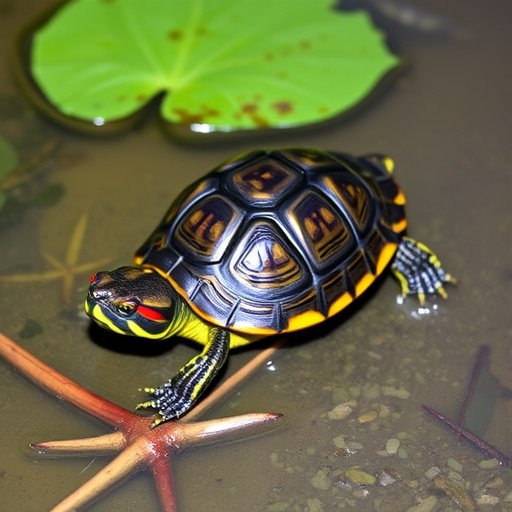
The red-eared slider, scientifically known as Trachemys scripta elegans, is a species of turtle that has become an increasingly popular pet across the globe, including in Kerala, India. The captivating appearance and relatively easy care make them a favored choice among pet enthusiasts. However, this rising popularity has inadvertently led to significant ecological concerns surrounding their potential as invasive species. A new research article by Sreeshma, Monisha, and Roshnath delves into these pressing issues, primarily focusing on the dynamics of the pet trade and the associated invasion risks that accompany the release of red-eared sliders into the wild.
The authors embark on a comprehensive examination of the pet trade surrounding the red-eared slider in Kerala, a region known for its unique biodiversity and delicate ecosystems. As documented in their research, the flourishing pet trade is driven by both local and international demand, significantly intensifying the risks of ecological imbalance should these turtles escape or are released into natural habitats. The researchers emphasize that the spread of this species could exert tremendous pressure on local fauna, potentially leading to the decline of native species that share similar ecological niches.
One of the key aspects of the study includes a critical assessment of the ecological ramifications that could arise from the introduction and proliferation of red-eared sliders in Kerala’s unique habitats. The authors point out that these turtles are omnivorous and highly adaptable, allowing them to thrive in various environments. This adaptability poses a significant threat to local wildlife, particularly aquatic organisms. The researchers present evidence indicating that the successful establishment of red-eared sliders could result in intensified competition for food, nesting sites, and even predation on native species.
In addition to competition, the red-eared slider’s potential to carry diseases also presents significant concerns for ecosystems into which they are introduced. The authors underscore the risk of pathogen exchange between native turtles and the invasive sliders, which may introduce foreign diseases that local populations are ill-equipped to handle. This aspect of the research highlights the intricate relationships within ecosystems and how the introduction of one species can have cascading effects throughout the entire community.
Furthermore, the research explores the existing regulations and policies governing the pet trade of red-eared sliders in India. The authors argue that while there are some measures in place, they are often insufficient or inadequately enforced. The gap between regulations and actual practices in the pet trade fosters an environment where illegal sales can thrive, with little oversight. This negligence not only jeopardizes local ecosystems but also exacerbates the risks associated with the pet industry and its impact on biodiversity.
Sreeshma, Monisha, and Roshnath are also keen to emphasize the need for increased public awareness and education regarding the ecological consequences of releasing non-native species into the wild. They argue that fostering an understanding of these risks is essential for promoting responsible pet ownership and mitigating the potential impact of pet species like the red-eared slider. Initiatives aimed at educating the community, coupled with strong regulatory frameworks, can collectively contribute to safeguarding invaluable ecosystems in Kerala.
In conclusion, the research conducted by the authors provides critical insights into the double-edged sword that is the pet trade of red-eared sliders in Kerala. While these turtles bring joy to many as pets, their implications for local wildlife demand urgent attention. A holistic approach involving policy changes, stringent regulations, public education, and community responsibility is vital in addressing the challenges posed by invasive species on Kerala’s ecosystems.
As the findings suggest, ongoing monitoring and proactive measures are essential for understanding and managing the invasion risks associated with the red-eared slider population. Thus, stakeholders—including policymakers, conservationists, pet owners, and the general public—must work collaboratively to ensure that the enchanting world of pet turtles does not come at the cost of nature’s delicate balance.
To combat these challenges effectively, further research is encouraged to elucidate the specific interactions between invasive species like the red-eared slider and Kerala’s native wildlife. By gathering more data on the long-term consequences of such introductions, conservationists can develop strategies for mitigation and restoration.
Meanwhile, the global perspective on invasive species and animal trade is evolving, with numerous case studies highlighting similar issues in various regions. The complexity of these ecological issues cannot be understated, as they often transcend borders and necessitate international cooperation. The global community must unite to implement best practices in managing pet trade and vivarium species, ultimately fostering a sustainable relationship with our ecosystems.
The importance of this research cannot be overstated as we navigate the challenges posed by biodiversity loss and invasive species proliferation. Understanding the delicate balance between human desires and natural systems often defines the trajectory of conservation efforts. The findings and recommendations highlighted in this research serve to remind us of our role as stewards of the environment, urging caution in our interactions with the natural world.
Despite the seriousness of the threat posed by the red-eared slider, there remains hope. Community-driven conservation initiatives that engage citizens in protecting native species and their habitats can make a significant difference. Encouraging responsible pet ownership, supporting local wildlife conservation efforts, and advocating for stricter regulations can empower individuals to make impactful choices that align with ecological well-being.
Embracing a future that prioritizes both biodiversity conservation and responsible pet ownership will be crucial in addressing the challenges posed by invasive species while still enjoying the companionship of beloved pets. By fostering a deep respect for the natural world, communities can ensure that the joy of keeping pets does not come at a steep ecological cost.
To truly safeguard Kerala’s rich biodiversity, stakeholders must take this knowledge forward into policy discussions and community initiatives. Advancing the dialogue surrounding invasive species will strengthen the region’s commitment to ecological preservation. The time is ripe for action, informed by research, to cherish and protect the intricate tapestry of life that characterizes Kerala’s unique ecosystems.
Subject of Research: Ecological impact of red-eared sliders as an invasive species in Kerala, India.
Article Title: Evaluating pet trade and invasion risk of the red-eared slider Trachemys scripta elegans in Kerala, India
Article References:
Sreeshma, V., Monisha, V. & Roshnath, R. Evaluating pet trade and invasion risk of the red-eared slider Trachemys scripta elegans in Kerala India.
Discov Anim 3, 7 (2026). https://doi.org/10.1007/s44338-026-00162-6
Image Credits: AI Generated
DOI: https://doi.org/10.1007/s44338-026-00162-6
Keywords: Red-eared slider, invasive species, pet trade, ecological impact, Kerala, biodiversity conservation.
Tags: biodiversity in Keralaconservation strategies for native speciesecological imbalance risksexotic pets in natural habitatsinvasive species concernsKerala ecological impactlocal fauna declinepet turtle popularity issuesred-eared slider invasion riskresearch on invasive reptilesTrachemys scripta elegans pet tradeturtle species introduction