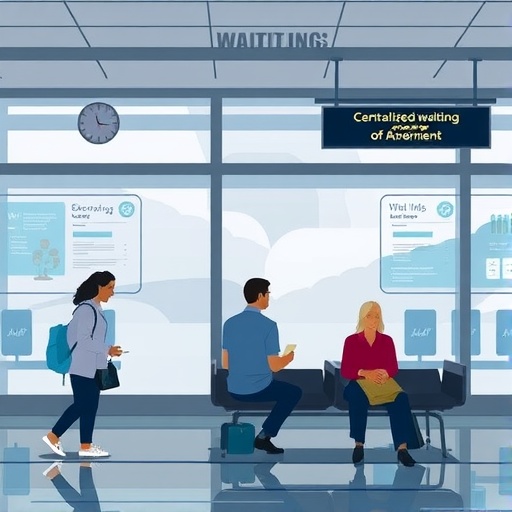
In recent years, the healthcare system in Canada, particularly in Quebec, has observed significant changes, particularly regarding patient access to family physicians. A pivotal study highlights the utilization of centralized waiting lists designed to streamline the process of attachment to family physicians. This research, conducted by Adi et al., offers insights into predictive factors affecting this model and its marked association with the non-urgent use of emergency departments. The findings hold vital implications for healthcare policy and patient care strategies in Quebec and beyond.
Centralized waiting lists serve as a mechanism intended to simplify and improve access to primary care providers for patients seeking regular family physician services. The essence of the study revolves around understanding how these lists, when properly managed, can reduce the burden on emergency departments by facilitating timely access to necessary healthcare services. By minimizing gaps in primary care availability, patients can experience improved health outcomes and reduced incidences of avoidable emergency room visits.
The methodology applied in the study analyzes various predictive factors that influence patient decisions to seek primary care. It emphasizes the need for better understanding both geographic and socio-economic variables that play a role in healthcare access. As Quebec continues to grapple with disparities in healthcare availability, identifying these factors is crucial for public health initiatives aimed at addressing these inequalities.
An intriguing element of the study is its association findings between centralized waiting lists and non-urgent emergency department visits. The research indicates that patients who experience a longer wait time for attachment to a family physician tend to utilize emergency services more frequently for non-urgent care. This correlation underscores the necessity of timely access to primary care, highlighting a systemic flaw where patients may feel compelled to use emergency services for issues that could be effectively managed in a primary care setting.
Furthermore, the study posits that enhanced management of waiting lists could alleviate challenges within the emergency system. By shifting patient care from emergency departments back to family practitioners, the healthcare system can optimize its resources, ultimately resulting in savings and improved patient care continuity. This effector changes can lead to fewer people relying on emergency services for healthcare issues that are not urgent, allowing those facilities to focus on acute care needs.
In analyzing the demographic variations across those on waiting lists, the researchers found significant trends concerning age, gender, and socioeconomic status. Young adults and individuals from lower-income backgrounds exhibited distinct patterns regarding their attachment to family physicians, with these groups often experiencing longer wait times. This finding spurs a critical dialogue regarding health equity and access; ensuring that vulnerable populations receive timely and appropriate healthcare is paramount for tackling systemic disparities.
In terms of healthcare providers, the implications of this research extend to training and resource allocation within the medical community. For primary care providers, understanding the pressures placed on emergency departments can inform their approach to patient care, emphasizing the importance of proactive engagement with patients to address their healthcare needs effectively. This could involve developing outreach programs that motivate patients on waiting lists to seek alternative care options or preventive services.
The execution of centralized waiting lists isn’t without its challenges. Effective management requires sophisticated tracking and monitoring systems, as well as coordinated efforts among healthcare providers, policymakers, and administrative bodies. These systems must be adept at accounting for fluctuating demand, especially in the wake of unprecedented public health crises such as the COVID-19 pandemic, which has drastically affected health service utilization patterns across the globe.
Moreover, the issues highlighted extend to the very fabric of Quebec’s healthcare infrastructure, posing questions about future investments and reforms necessary to sustain effective primary care access. Scaling up technology and digital health solutions could enhance the management of waiting lists, providing real-time updates and greater transparency for patients regarding their status. Such improvements could motivate patient engagement and lower anxiety levels associated with waiting times for family physician attachment.
For policymakers, the study serves as a call to action. Understanding the link between centralized waiting lists and the use of emergency departments could inform future healthcare policy revisions. By redirecting attention to improving primary care access, there is potential to mitigate healthcare costs while boosting patient satisfaction and outcomes. Revisions could include increasing funding for primary care services and exploring innovative models of care delivery to enhance accessibility.
As a push for reform continues, public awareness plays a critical role in shaping patient expectations and experiences within the healthcare system. Efforts to educate the public about the proper channels for non-urgent issues could significantly reduce the congestion in emergency departments, allowing for better resource allocation. Moreover, campaigns aimed at encouraging regular check-ups and preventive care could shift patient perspectives, urging them to prioritize primary care engagements rather than defaulting to emergency services.
In conclusion, the study conducted by Adi et al. significantly contributes to the understanding of healthcare access in Quebec, highlighting the advantages of centralized waiting lists for family physician attachment. The connection between these lists and reduced non-urgent emergency department visits showcases the critical need for systemic reform in how we manage healthcare delivery. As the healthcare landscape continues to evolve, ongoing research and policy reevaluation will be necessary to create a more equitable and efficient system for all individuals.
Subject of Research: Centralized waiting lists for attachment to family physicians in Quebec, Canada.
Article Title: The use of centralized waiting lists for attachment to family physicians in Quebec, Canada: predictive factors and association with non-urgent emergency department use.
Article References:
Adi, S., Bosson-Rieutort, D., Breton, M. et al. The use of centralized waiting lists for attachment to family physicians in Quebec, Canada: predictive factors and association with non-urgent emergency department use.
BMC Health Serv Res (2026). https://doi.org/10.1186/s12913-025-13941-w
Image Credits: AI Generated
DOI: 10.1186/s12913-025-13941-w
Keywords: Centralized waiting lists, family physicians, Quebec healthcare, emergency department usage, healthcare access, primary care, health equity.
Tags: centralized waiting lists in healthcareemergency department utilization Quebecfamily physician attachment modelhealthcare disparities in Quebechealthcare policy implications Quebechealthcare system changes Canadaimproving healthcare outcomes Quebecpatient access to family physicianspredictive factors in healthcare accessprimary care access strategiesreducing emergency room visitssocio-economic variables in healthcare