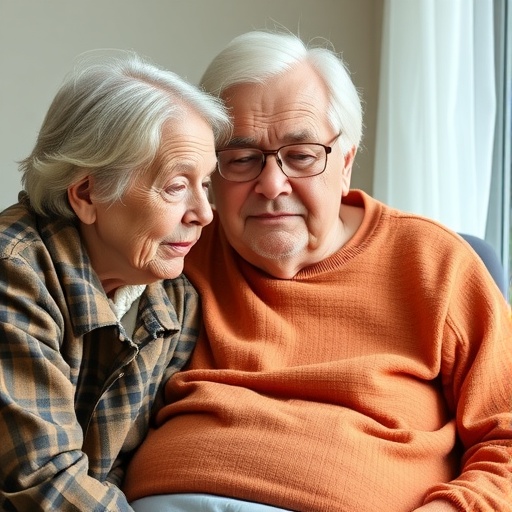
The concept of frailty has been an increasingly significant focus of research in geriatric oncology, a field that merges geriatric care with cancer treatment strategies for the elderly. The recent systematic scoping review conducted by Guo, Chen, Song, and their colleagues elucidates the multidimensional aspects of frailty and the implications these have on cancer treatment in older populations. As the global demographic shifts towards an elder population, understanding frailty’s complexity is paramount for improving patient outcomes and tailoring cancer care.
Frailty in older adults can be understood as a state of increased vulnerability due to a decrease in reserve and function across multiple physiological systems. This multifaceted nature challenges traditional cancer assessments that often prioritize a singular view of health based on chronological age or specific performance metrics. The review sets out to redefine frailty, emphasizing its dynamic interplay among physical, psychological, and social dimensions—factors crucial for crafting personalized treatment plans in oncology.
The authors stress that traditional measures of frailty, predominantly confined to physical health metrics, fail to encompass comprehensive evaluations of older patients who may present with a myriad of complexities. Their systematic approach encourages clinicians to consider a broader spectrum including cognitive function, emotional well-being, and socioeconomic factors that all play a role in the frailty of elderly cancer patients. By expanding the definition of frailty, the research aims to influence policy and clinical guidelines to incorporate these multidimensional assessments.
An essential finding of the review indicates that frailty often correlates directly with treatment outcomes and survival rates. For instance, frail patients are more prone to treatment-related complications, and their overall treatment tolerance can be markedly lower than their non-frail counterparts. This delicate balance becomes even more pronounced in geriatric oncology, where older adults often receive aggressive treatments. Recognizing and addressing frailty not only aids in patient selection for therapy but also guides the intensity and approach to their treatment.
Additionally, the review highlights the significance of early identification of frailty markers. Tools that can effectively evaluate frailty, such as comprehensive geriatric assessments (CGAs), can provide valuable insights into a patient’s health status. Implementing routine frailty assessments in oncology clinics can facilitate more proactive management of aging-related complications, allowing for timely interventions that can shift the trajectory of care for elderly cancer patients.
Guo and colleagues further delve into the challenges that arise in addressing frailty within an already complex healthcare environment. They underline the importance of a multidisciplinary approach that integrates geriatricians, oncologists, nurse practitioners, and social workers to formulate and implement comprehensive care strategies. Collaboration among these professionals can create a support network that addresses not only the medical needs but also psychosocial and functional aspects of elderly patients.
The review also draws attention to the health disparities faced by frail older adults. Socioeconomic factors, access to healthcare, and cultural values can significantly influence the prevalence of frailty and ultimately shape treatment outcomes. Addressing these disparities is crucial to ensure that all elderly patients, regardless of their background, receive equitable care and benefit from advancements in oncological treatments.
In terms of interventions, the authors advocate for a shift towards preventive strategies that may mitigate aspects of frailty. Implementing lifestyle modifications, such as nutritional support, physical therapy, and mental health resources, can bolster resilience in older cancer patients. By fostering a proactive approach to frailty, healthcare systems may reduce hospitalizations and improve the overall quality of life for elder patients navigating cancer treatments.
Furthermore, the implications of this scoping review reach into policy-making areas, where the need for integrating frailty assessments into standard oncological practice is critical. Advocating for policy reform that recognizes the unique needs of older adults in cancer care can help establish frameworks that prioritize multidimensional assessments across healthcare systems. This shift has the potential to lead to better resource allocation, more comprehensive training for healthcare providers, and ultimately, improved patient outcomes.
As researchers continue to explore the intricate web of frailty in geriatric oncology, the findings of Guo and colleagues emphasize an urgent call for change. The adoption of a multidimensional perspective on frailty will enhance the understanding of not just cancer treatment, but of aging itself. Embracing this complexity in healthcare could revolutionize how society approaches cancer care in older adults, promoting richer conversations around patient-centered care and leading to significant advancements in clinical practice.
The ongoing dialogue surrounding frailty is not merely academic; it provides practical pathways toward delivering more effective, compassionate care for older individuals battling cancer. This review serves as a clarion call to rethink existing paradigms and cultivate deeper knowledge and awareness regarding the vulnerabilities faced by the aging population in oncology settings.
As the dialogue continues, it is imperative for the medical community, researchers, and policymakers to unite around a common goal: to ensure that frailty is accurately assessed and addressed in the context of geriatric oncology. The insights offered by the systematic scoping review signify a proactive step towards enriching the lives of older adults by refining cancer care practices to be more holistic, inclusive, and informed.
In summary, understanding and integrating the multifaceted nature of frailty into oncological practice could lead to significant improvements in how care is delivered to elderly populations. The work of Guo and their collaborators opens up new avenues for research and intervention that have the potential to change the landscape of geriatric oncology, thus ensuring that the aging population receives the quality cancer care they rightly deserve.
Subject of Research:
The concept of multidimensional frailty in geriatric oncology.
Article Title:
The concept of multidimensional frailty in geriatric oncology: a systematic scoping review.
Article References:
Guo, Y., Chen, Y., Song, S. et al. The concept of multidimensional frailty in geriatric oncology: a systematic scoping review. BMC Geriatr 25, 979 (2025). https://doi.org/10.1186/s12877-025-06568-3
Image Credits:
AI Generated
DOI:
https://doi.org/10.1186/s12877-025-06568-3
Keywords:
multidimensional frailty, geriatric oncology, cancer treatment, elderly patients, comprehensive assessments, healthcare disparities.
Tags: cancer treatment for elderly patientscognitive function in oncologycomprehensive frailty assessmentemotional well-being in elderly cancer patientsgeriatric oncology researchimplications of frailty on cancer caremultidimensional frailty in geriatricspersonalized cancer treatment plansphysical psychological social dimensions of frailtyredefining frailty in older populationssocioeconomic factors in geriatric carevulnerability in older adults