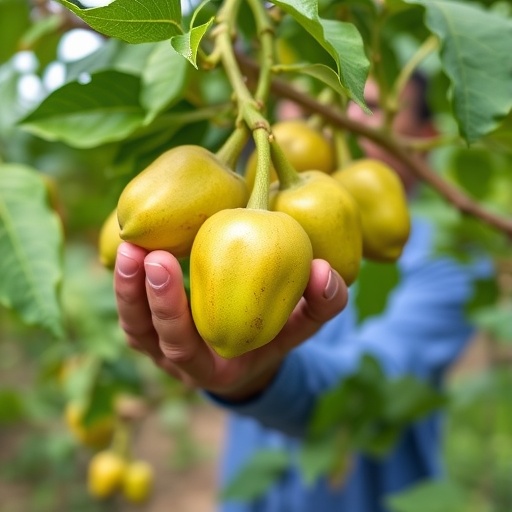
The litchi, a tropical fruit known for its juicy flesh and unique flavor, often gets overshadowed by more widely recognized fruits in global markets. However, recent studies illuminate its significant potential, particularly within the context of Dinajpur, Bangladesh. A comprehensive analysis of the litchi value chain illustrates not only the agricultural challenges but also the sustainability prospects associated with litchi cultivation and distribution systems in this region. This investigation reveals critical insights about resource management, environmental impact, and economic viability, showcasing numerous pathways to enhance sustainability.
The research conducted by Paul, Mahmood, Al Mahmud et al. highlights the multifaceted dynamics at play in the litchi value chain. It delves into various agricultural practices employed by local farmers, examining their reliance on traditional methods versus modern techniques. Observations were made regarding the labor intensity of litchi cultivation, which often requires significant human resources, especially during harvesting periods. The reliance on manual labor underscores the importance of sustainable practices that not only enhance productivity but also empower local communities.
Throughout the litchi harvest season, Dinajpur’s farmers face multifarious challenges. From inclement weather to pest infestations, these factors can heavily influence crop yield and quality. The research identifies Integrated Pest Management (IPM) as a pivotal strategy adopted by farmers to mitigate these issues. By incorporating environmentally friendly pest control measures, farmers can reduce chemical inputs, ultimately leading to healthier ecosystems and safer produce. This not only satisfies the growing consumer demand for organic products but also bolsters the long-term resilience of the agricultural sector in Dinajpur.
Water management emerges as another critical aspect of the sustainability narrative within the litchi value chain. The study emphasizes the importance of effective irrigation systems, especially in a region that experiences seasonal rainfall variability. By implementing rainwater harvesting and drip irrigation techniques, farmers can optimize water usage while also improving crop yields. Such advancements are essential for adapting to climate change, ensuring that litchi production remains viable in the face of unpredictable environmental conditions.
A significant component of the research also touches on post-harvest handling and transportation. Litchis are highly perishable, making it crucial to establish efficient logistics systems to minimize loss between the farm and the market. The authors advocate for improved storage facilities and transportation methods that prevent spoilage. By adopting technology-driven solutions such as temperature-controlled transport, producers can significantly extend the shelf life of litchis, enhancing their marketability both locally and internationally.
The economic analysis presented in the study reveals the profitability of litchi cultivation when sustainable practices are employed. This raises awareness about the economic potential tied to the fruit, encouraging more farmers to engage in its cultivation. Diversifying income sources through litchi production not only strengthens local economies but also contributes to food security. The research indicates that with adequate training and resources, litchi farming can become a lucrative enterprise for smallholder farmers, fostering a sustainable rural economy.
Consumer preferences play a vital role in the sustainability quest. As global awareness of environmental issues grows, the demand for sustainably sourced products continues to increase. The findings indicate a shift in consumer behavior toward favoring fruits that are produced with minimal environmental impact. By marketing litchis as sustainably grown, producers can leverage this trend to capture higher market prices and build brand loyalty among health-conscious consumers. Such strategic positioning can transform litchis into a premium product in both domestic and international markets.
Economic viability, however, is intricately linked to education and training. The study underscores the necessity of educational programs for farmers to understand sustainable agricultural practices. Workshops and knowledge sharing platforms can empower local farmers with insights into new methods, sustainability benefits, and market trends. Investing in human capital is crucial to ensure that the entire value chain—from growing to selling—operates on principles of sustainability and profitability.
In aligning with global sustainability goals, the litchi value chain reflects larger themes prevalent in agriculture today. As the world shifts toward more sustainable food systems, the research advocates for comprehensive policies that support smallholder farmers in Bangladesh. Government collaboration, international aid, and private sector engagement are essential to creating an ecosystem that nurtures sustainable farming. By weaving together support systems, a robust framework can emerge that benefits farmers, consumers, and the environment alike.
The implications of the study reach far beyond the immediate agricultural landscape. They ripple through environmental, economic, and social spheres, encouraging a holistic approach to rural development. By recognizing the links between sustainable agriculture and community well-being, stakeholders can champion practices beneficial to people and the planet. The research calls on local authorities to implement policies promoting sustainable agriculture, ensuring that the litchi value chain becomes a model for other crops in the region.
In conclusion, the sustainability of the litchi value chain in Dinajpur, Bangladesh represents a microcosm of the broader agricultural landscape. This study provides not only a detailed account of current practices but also a roadmap for future improvements. By embracing sustainable methods across the litchi supply chain, from cultivation to consumer, the potential for economic growth and environmental stewardship becomes attainable. As litchis gain recognition for their quality and sustainability, they may carve out a niche in global markets, driving interest in one of Bangladesh’s agricultural treasures.
The future for litchi cultivation in Dinajpur is bright, but it requires collective action from farmers, policymakers, and consumers alike. This research serves as a springboard for ongoing dialogue and innovation in sustainable agricultural practices, positioning the litchi as not just a fruit but a driver of change in the local economy and beyond.
Subject of Research: Litchi Value Chain Sustainability in Dinajpur, Bangladesh
Article Title: Sustainability within the litchi value chain in Dinajpur, Bangladesh.
Article References:
Paul, D., Mahmood, S., Al Mahmud, A. et al. Sustainability within the litchi value chain in Dinajpur, Bangladesh.
Discov Agric 3, 210 (2025). https://doi.org/10.1007/s44279-025-00376-4
Image Credits: AI Generated
DOI: 10.1007/s44279-025-00376-4
Keywords: Litchi, Sustainability, Value Chain, Agriculture, Bangladesh, Climate Change, Economic Viability.
Tags: challenges in litchi farmingDinajpur litchi cultivationeconomic viability of litchi farmingempowering local communities through agricultureenvironmental impact of litchi productionIntegrated Pest Management in litchi farminglabor intensity in litchi harvestinglitchi value chain analysisresource management in agriculturesustainability in tropical fruit productionsustainable agriculture practicestraditional vs modern farming techniques