The COVID-19 pandemic and mitigation measures changed how people accessed health care services and engaged in their communities. Access to appropriate services and accommodations help autistic individuals in maintaining employment, pursuing education, caring for their health and establishing independence. Because autistic people often have greater health care needs than non-autistic peers, the pandemic-related changes in access to health care may have been an extra burden on their health and, ultimately, quality of life, according to the latest National Autism Indicators Report, issued by Drexel University’s A.J. Drexel Autism Institute.
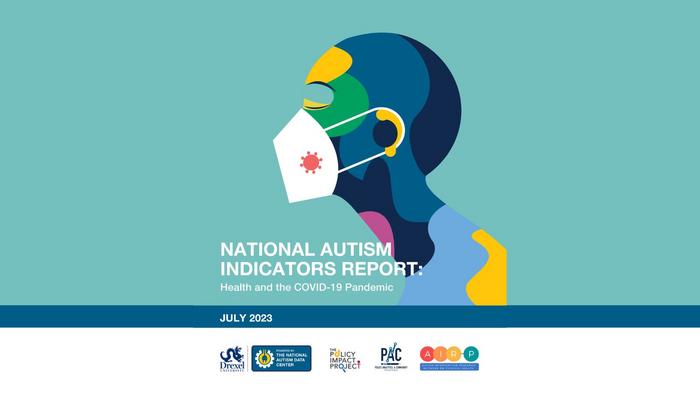
Credit: Please credit: Policy Impact Project at A.J. Drexel Autism Institute
The COVID-19 pandemic and mitigation measures changed how people accessed health care services and engaged in their communities. Access to appropriate services and accommodations help autistic individuals in maintaining employment, pursuing education, caring for their health and establishing independence. Because autistic people often have greater health care needs than non-autistic peers, the pandemic-related changes in access to health care may have been an extra burden on their health and, ultimately, quality of life, according to the latest National Autism Indicators Report, issued by Drexel University’s A.J. Drexel Autism Institute.
Researchers at Autism Institute’s Policy and Analytics Center examined changes in access and disruptions to health care services for autistic children and adults during the beginning of the COVID-19 pandemic. These findings will inform better evidence-based practices for future public health emergencies to improve policies and programs for autistic individuals.
“The COVID-19 pandemic was an unprecedented public health emergency, and the impacts were far reaching,” said Jessica Rast, PhD, research scientist at the Autism Institute and lead author of the report. “Our hope is that we can learn from this pandemic response, so we can improve systems of care for autistic people, for all people. While such improvements would help in future times of crisis, we hope they can be implemented in times of less turmoil to improve care overall.”
Rast and her co-authors noted that changes in access to services result in long-term consequences, which can be dire for autistic people.
“This is an equity issue. If the people who need more care can’t access it, we’re disadvantaging a whole population,” said Rast. “And unfortunately, the people who are disadvantaged in other ways, such as Black autistic people, saw more disruptions in care during the COVID-19 pandemic.”
The research team examined various data sources from before and after the start of the COVID-19 pandemic, including health care claims and administrative records; the availability of services for autistic children based on caregiver reports from the National Survey of Children’s Health; national emergency hospitalization records through the National Emergency Department Sample; hospital admissions data via the National Inpatient Sample; and service use among autistic adult patients in records from Kaiser Permanente Northern California. The data sources cover various populations from nationally representative pictures of autistic children and adults to other sources that covered specific, but still diverse, populations.
The research team found autistic adults, ages 45 and older, had higher rates of visits to the emergency department and hospitalizations for COVID-19 compared to non-autistic adults and autistic children and younger adults (younger than 44). The significant increase in hospital visits among older autistic adults – compared to other older adults – demonstrates the need for improved public health care policies to maintain usual health care services for individuals during a public health emergency.
For younger autistic people access to care – including well-child visits, dental care, emergency department visits and inpatient hospitalizations – decreased during the COVID-19 pandemic. Black and Hispanic autistic children experienced larger decreases compared to white children. Virtual health care became an important avenue for care during the COVID-19 pandemic. About half of autistic children had a virtual or telehealth care visit in 2021, as did non-autistic children with special health care needs. Just over one-third of autistic children missed or delayed a well visit because of the COVID-19 pandemic.
There were also policy changes at the beginning of the COVID-19 pandemic to increase access to health care. However, enrollment in public health insurance – like Medicaid – among autistic children remained about the same as before the pandemic. Although, there were differences in insurance coverage by race and ethnicity among autistic children – with an increase of Black non-Hispanic autistic children being covered by public health insurance in 2021, compared to before the COVID-19 pandemic.
“The changes in health policy during the COVID-19 pandemic, including increased Medicaid and Children’s Health Insurance Program (CHIP) enrollment and continuous coverage requirements, played a crucial role in safeguarding the health insurance and access to healthcare for autistic individuals,” said Kaitlin Koffer Miller, DrPH, director of the Policy Impact Project at the Autism Institute and co-author of the report. “These policies helped mitigate negative impacts, ensuring uninterrupted health care services and reducing the uninsured rates across the U.S. While the expiration of the continuous coverage requirement through Medicaid raises concerns, the overall improvements highlight the importance of inclusive health policies for the well-being of autistic individuals.”
Rast and Koffer Miller highlighted recommendations from the report, including having health care providers ensure equitable and high-quality access on virtual platforms.
“This can include creating physical and virtual environments that provide individuals the opportunity to request accommodations and are sensory-friendly,” said Koffer Miller. “Additionally, providers can use communication strategies that cater to diverse communication preferences. This may include using visual aids, written instructions, or plain language to enhance understanding and ensuring any online platforms are user-friendly and accessible for individuals with diverse sensory and cognitive profiles. Organizations like the ASERT Collaborative have been beacons of information, providing accessible resources focused on COVID-19 that could be a model for health care providers.”
They also note that health care policies should continue to support telehealth and virtual care options for mental health services, including easing portability restrictions and expanding coverage. The report showed there were no substantial changes in mental health care early in the COVID-19 pandemic, but just under half of autistic children received mental health care before and during the pandemic. According to the researchers, about 10% had unmet needs for mental health care in 2019 and 2021.
By supporting telehealth and virtual care, individuals on the autism spectrum and other neurodivergent populations can benefit from increased accessibility and convenience, the report suggests.
Rast and Koffer Miller also called for further examination of the long-term mental health changes among autistic people in the years following the official conclusion of the COVID-19 pandemic, with a focus on the impact, effectiveness and disparities of access of telehealth for mental health care.
In continuation of the National Autism Indicator Reports series, this report provides crucial information to better understand the health care experiences of autistic people and highlights the impact that the COVID-19 pandemic has had on autistic individuals. By better understanding the challenges they face, steps can be taken to develop interventions that will improve their health care and quality of life.
This report was supported by the Health Resources and Services Administration (HRSA) of the U.S. Department of Health and Human Services (HHS) Autism Intervention Research Network on Physical Health (AIR-P) and the Working for Inclusive and Transformative Healthcare (WITH) Foundation’s COVID-19 Response Fund.
Article Title
Health and the COVID-19 Pandemic: July 2023
Article Publication Date
31-Jul-2023