• HOME
  • NEWS
  • EXPLORE
    • CAREER
      • Companies
      • Jobs
    • EVENTS
    • iGEM
      • News
      • Team
    • PHOTOS
    • VIDEO
    • WIKI
  • BLOG
  • COMMUNITY
    • FACEBOOK
    • INSTAGRAM
    • TWITTER
Sunday, May 10, 2026
BIOENGINEER.ORG
No Result
View All Result
  • Login
  • HOME
  • NEWS
  • EXPLORE
    • CAREER
      • Companies
      • Jobs
        • Lecturer
        • PhD Studentship
        • Postdoc
        • Research Assistant
    • EVENTS
    • iGEM
      • News
      • Team
    • PHOTOS
    • VIDEO
    • WIKI
  • BLOG
  • COMMUNITY
    • FACEBOOK
    • INSTAGRAM
    • TWITTER
  • HOME
  • NEWS
  • EXPLORE
    • CAREER
      • Companies
      • Jobs
        • Lecturer
        • PhD Studentship
        • Postdoc
        • Research Assistant
    • EVENTS
    • iGEM
      • News
      • Team
    • PHOTOS
    • VIDEO
    • WIKI
  • BLOG
  • COMMUNITY
    • FACEBOOK
    • INSTAGRAM
    • TWITTER
No Result
View All Result
Bioengineer.org
No Result
View All Result
Home NEWS Science News Biology

Flower size correlates with pollinator size, evolved independently among mountains

Bioengineer by Bioengineer
May 10, 2021
in Biology
Reading Time: 2 mins read
0
IMAGE
Share on FacebookShare on TwitterShare on LinkedinShare on RedditShare on Telegram

IMAGE

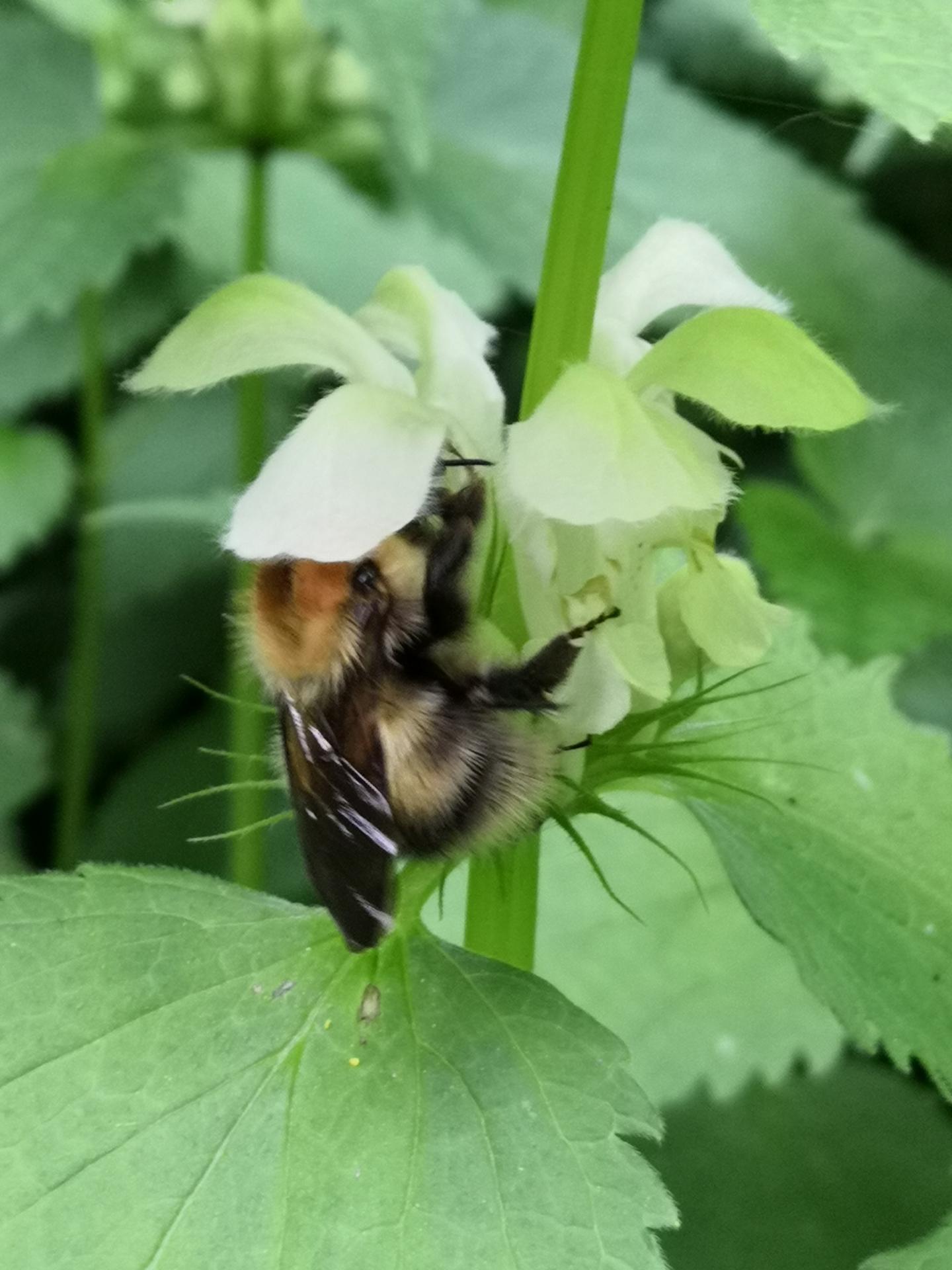
Credit: Tsubasa Toji, Shinshu University

The morphological compatibility between flowers and insects was given in the famous textbook example of Darwin’s orchids and hawkmoths. As in this example, many studies have shown that geographical variations in flower size match the size of insects in each region. In other words, studies have shown “flower-sized regional adaptation” in which large flowers evolve in areas pollinated by large insects and small flowers evolve in areas pollinated by small insects.

However, when examining the genetic similarity between populations, are plants in each region more similar, or are plants with large (or small) flower sizes across nearing regions more similar? This has remained unknown until this study led by doctoral candidate Tsubasa Toji of Shinshu University’s Professor Takao Itino lab. The team used white nettle to show this classic flower-insect size agreement, and by combining population genetic analysis, examined the actual evolution of flower size.

The flower traits of white dead-nettle (Lamium album var. barbatum) were clearly correlated with bee size. On the other hand, the genetic structure was similar between plants of each region. In other words, the flower size was independently large and small in each mountain area or a parallel evolution of flower size developed independently between mountain areas.

This study was conducted very simply, combining two methods: field research and population genetic analysis. Field studies showed geographical variation in flower size, showing that flower size was clearly correlated with the bee size visited in the population. Genetic analysis showed that there is an overarching genetic structure or genetic divergence between mountains.

When the two results are combined, the flower size of each population is independent of the genetic structure, and the flower size differs greatly even between genetically similar populations, or groups belonging to the same mountain range. In some cases, flower sizes were similar even between populations that were genetically distant, or species belonging to different mountain areas. This suggests that flower size evolved independently in each mountain area.

The group is in the process of confirming the parallel evolution of flower traits between mountainous areas for other plant species using the same approach. They are also trying to find out about other plant species and are exploring the possibility that the parallel evolution of this flower trait between mountains is a fairly common phenomenon. Ultimately, by extending the trait comparison between mountain areas to organisms of other taxa other than plants and combining it with population genetic analysis, they hope to elucidate the actual state of evolution of various species occurring in mountain regions.

###
Acknowledgements:
We thank the Chubu District Forest Office (Forestry Agency), the Chubu Regional Office for Nature Conservation (Ministry of the Environment), and the Matsumoto Regional Office (Nagano Prefectural Government) for permission to work in the area. This study was supported by the Ministry of Education, Culture, Sports, Science and Technology of Japan (MEXT) (15H02641, 19H03300, 19J22443) and the fund of Nagano Prefecture to promote scientifc activity.

###

Media Contact
Hitomi Thompson
[email protected]

Related Journal Article

http://dx.doi.org/10.1186/s12862-021-01796-8

Tags: BiologyEcology/EnvironmentEntomologyEvolution
Share12Tweet8Share2ShareShareShare2

Related Posts

Ancient Plant Populations Reveal Fresh Insights into Climate Resilience — Biology

Ancient Plant Populations Reveal Fresh Insights into Climate Resilience

May 8, 2026
Rare Brain Disorders in Children Linked to Mutations in Lesser-Known Protein Complex — Biology

Rare Brain Disorders in Children Linked to Mutations in Lesser-Known Protein Complex

May 8, 2026

From Odd Insect to Underwater Predator: The Remarkable Evolution of a Bloodthirsty Fruit Fly

May 8, 2026

SNU Professor Sangwoo Seo’s Team Develops Next-Generation CRISPR Biocontainment Technology to Control Microbial Survival Without DNA Cleavage

May 8, 2026
Please login to join discussion

POPULAR NEWS

  • Research Indicates Potential Connection Between Prenatal Medication Exposure and Elevated Autism Risk

    840 shares
    Share 336 Tweet 210
  • New Study Reveals Plants Can Detect the Sound of Rain

    727 shares
    Share 290 Tweet 181
  • Scientists Investigate Possible Connection Between COVID-19 and Increased Lung Cancer Risk

    68 shares
    Share 27 Tweet 17
  • Salmonella Haem Blocks Macrophages, Boosts Infection

    61 shares
    Share 24 Tweet 15

About

We bring you the latest biotechnology news from best research centers and universities around the world. Check our website.

Follow us

Recent News

Evaluating Digoxin Use in Patients with Symptomatic Rheumatic Heart Disease

Evaluating the Effectiveness and Safety of Digitalis Glycosides in Treating Heart Failure

Urdu Fall Risk Questionnaire Adapted for Elderly

Subscribe to Blog via Email

Enter your email address to subscribe to this blog and receive notifications of new posts by email.

Join 82 other subscribers
  • Contact Us

Bioengineer.org © Copyright 2023 All Rights Reserved.

Welcome Back!

Login to your account below

Forgotten Password?

Retrieve your password

Please enter your username or email address to reset your password.

Log In
No Result
View All Result
  • Homepages
    • Home Page 1
    • Home Page 2
  • News
  • National
  • Business
  • Health
  • Lifestyle
  • Science

Bioengineer.org © Copyright 2023 All Rights Reserved.