• HOME
  • NEWS
  • EXPLORE
    • CAREER
      • Companies
      • Jobs
    • EVENTS
    • iGEM
      • News
      • Team
    • PHOTOS
    • VIDEO
    • WIKI
  • BLOG
  • COMMUNITY
    • FACEBOOK
    • INSTAGRAM
    • TWITTER
Saturday, February 7, 2026
BIOENGINEER.ORG
No Result
View All Result
  • Login
  • HOME
  • NEWS
  • EXPLORE
    • CAREER
      • Companies
      • Jobs
        • Lecturer
        • PhD Studentship
        • Postdoc
        • Research Assistant
    • EVENTS
    • iGEM
      • News
      • Team
    • PHOTOS
    • VIDEO
    • WIKI
  • BLOG
  • COMMUNITY
    • FACEBOOK
    • INSTAGRAM
    • TWITTER
  • HOME
  • NEWS
  • EXPLORE
    • CAREER
      • Companies
      • Jobs
        • Lecturer
        • PhD Studentship
        • Postdoc
        • Research Assistant
    • EVENTS
    • iGEM
      • News
      • Team
    • PHOTOS
    • VIDEO
    • WIKI
  • BLOG
  • COMMUNITY
    • FACEBOOK
    • INSTAGRAM
    • TWITTER
No Result
View All Result
Bioengineer.org
No Result
View All Result
Home NEWS Science News

World’s protected areas need more than a ‘do not disturb’ sign

Bioengineer by Bioengineer
April 13, 2021
in Science News
Reading Time: 2 mins read
0
IMAGE
Share on FacebookShare on TwitterShare on LinkedinShare on RedditShare on Telegram

IMAGE

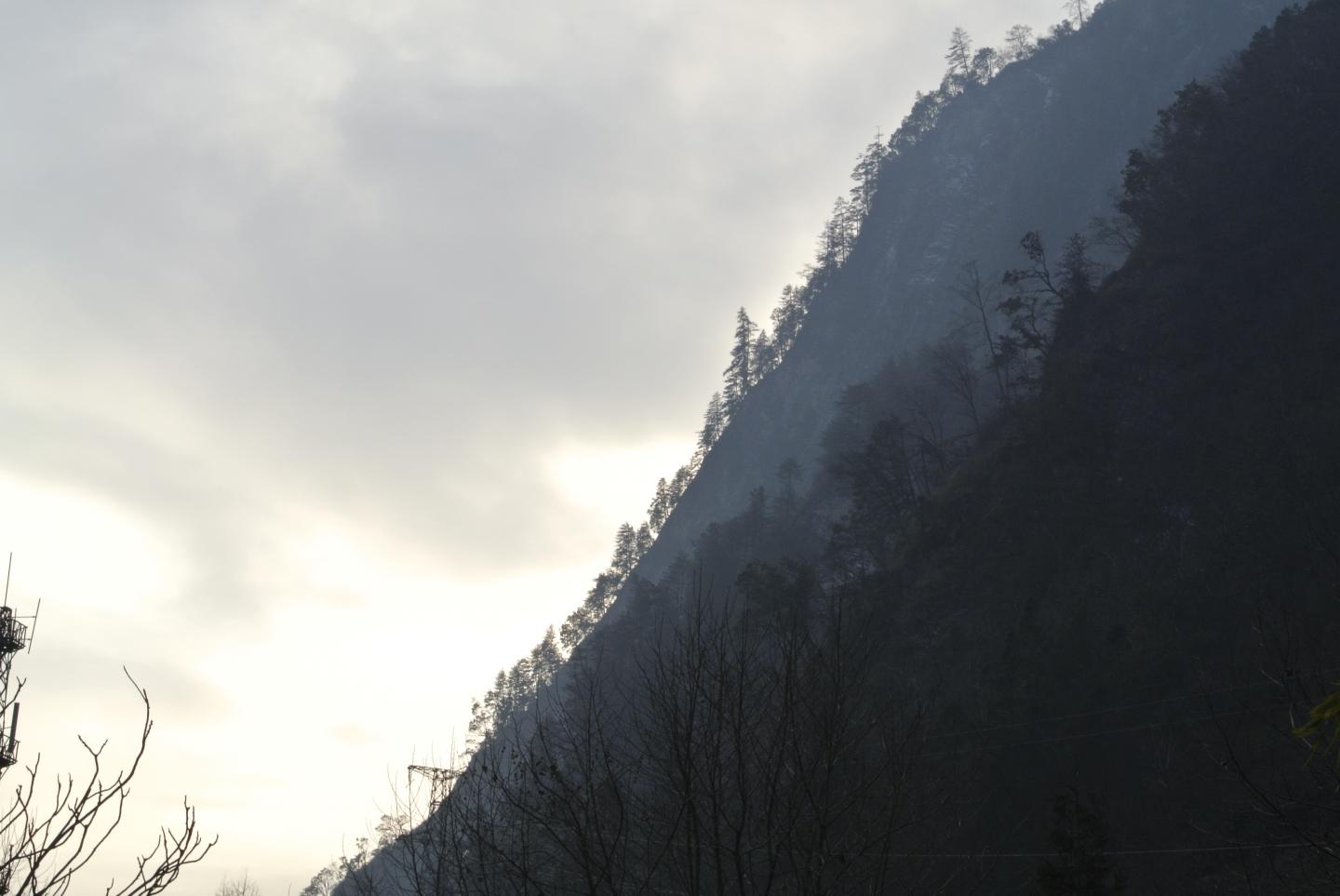
Credit: Sue Nichols, Michigan State University Center for Systems Integration and Sustainability

Lessons learned from the world’s protected forests: Just declaring a plot of land protected isn’t enough – conservation needs thoughtful selection and enforcement.

A group of scientists, many tied to Michigan State University, examined nearly 55,000 protected areas across the world to understand what it took to effectively protect their forests – a key benchmark to protecting habitat and preserving natural resources. They conclude that it’s important to protect the forests exposed to the most threats in areas close to cities and be prepared to be strict in enforcing rules intended to stop deforestation.

In a recent issue of Science of the Total Environment, researchers noted that more than 4 million square kilometers have been designated as protected areas in the past decade, without documentation of how effective such areas across the globe are at protecting.

Preserving forests means more trees to suck up greenhouse gasses, as well as prevent erosion, mitigate flooding, purify water and quell sandstorms. The paper notes some high-profile protected areas have suffered a loss of wildlife meant to be protected.

“Protecting forests is crucial to achieve sustainability,” said Jianguo “Jack” Liu, MSU Rachel Carson Chair in Sustainability and director of the Center for Systems Integration and Sustainability. “To ensure we are directing our efforts to the right places, it’s important to scrutinize protected areas across the globe.”

In this comprehensive analysis, the study revealed:

  • About 71% of the protected areas worldwide contributed to preventing forest loss, but there is considerable room for improvement since only 30% of forest loss in protected areas has been prevented.
  • Protected areas in regions with higher pressure of forest loss prevented more forest loss.
  • Enforcement is important. At the global scale there is a trade-off between human uses of natural resources and the prevention of forest loss
  • Private reserves performed similarly to public PAs in preventing forest loss.

The group concluded that declaring an area as protected is not enough and that more attention needs to be given to improving the quality of forest protection and protecting the right forests. Currently, a global pattern of declaring remote areas as protected is missing the target, which instead is better focused on natural areas more in danger of being exploited.

###

In addition to Liu, “A global assessment of the impact of individual protected areas on preventing forest loss” was written by Hongbo Yang, Andrés Viña, Julie Winkler, Min Gon Chung, Qiongyu Huang, Yue Dou and William McShea.

The work was supported by the Smithsonian Institution, the National Science Foundation, Michigan AgBioResearch, the Key Laboratory of Southwest China Wildlife Resources Conservation and the National Natural Science Foundation of China.

Media Contact
Sue Nichols
[email protected]

Original Source

https://www.canr.msu.edu/news/protected-areas

Related Journal Article

http://dx.doi.org/10.1016/j.scitotenv.2021.145995

Tags: BiologyEcology/EnvironmentForestry
Share13Tweet8Share2ShareShareShare2

Related Posts

Personalized Guide to Understanding and Reducing Chemicals

February 7, 2026

Inflammasome Protein ASC Drives Pancreatic Cancer Metabolism

February 7, 2026

Phage-Antibiotic Combo Beats Resistant Peritoneal Infection

February 7, 2026

Boosting Remote Healthcare: Stepped-Wedge Trial Insights

February 7, 2026
Please login to join discussion

POPULAR NEWS

  • Robotic Ureteral Reconstruction: A Novel Approach

    Robotic Ureteral Reconstruction: A Novel Approach

    82 shares
    Share 33 Tweet 21
  • Digital Privacy: Health Data Control in Incarceration

    63 shares
    Share 25 Tweet 16
  • Study Reveals Lipid Accumulation in ME/CFS Cells

    57 shares
    Share 23 Tweet 14
  • Breakthrough in RNA Research Accelerates Medical Innovations Timeline

    53 shares
    Share 21 Tweet 13

About

We bring you the latest biotechnology news from best research centers and universities around the world. Check our website.

Follow us

Recent News

Personalized Guide to Understanding and Reducing Chemicals

Inflammasome Protein ASC Drives Pancreatic Cancer Metabolism

Phage-Antibiotic Combo Beats Resistant Peritoneal Infection

Subscribe to Blog via Email

Enter your email address to subscribe to this blog and receive notifications of new posts by email.

Join 73 other subscribers
  • Contact Us

Bioengineer.org © Copyright 2023 All Rights Reserved.

Welcome Back!

Login to your account below

Forgotten Password?

Retrieve your password

Please enter your username or email address to reset your password.

Log In
No Result
View All Result
  • Homepages
    • Home Page 1
    • Home Page 2
  • News
  • National
  • Business
  • Health
  • Lifestyle
  • Science

Bioengineer.org © Copyright 2023 All Rights Reserved.