• HOME
  • NEWS
  • EXPLORE
    • CAREER
      • Companies
      • Jobs
    • EVENTS
    • iGEM
      • News
      • Team
    • PHOTOS
    • VIDEO
    • WIKI
  • BLOG
  • COMMUNITY
    • FACEBOOK
    • INSTAGRAM
    • TWITTER
Saturday, February 7, 2026
BIOENGINEER.ORG
No Result
View All Result
  • Login
  • HOME
  • NEWS
  • EXPLORE
    • CAREER
      • Companies
      • Jobs
        • Lecturer
        • PhD Studentship
        • Postdoc
        • Research Assistant
    • EVENTS
    • iGEM
      • News
      • Team
    • PHOTOS
    • VIDEO
    • WIKI
  • BLOG
  • COMMUNITY
    • FACEBOOK
    • INSTAGRAM
    • TWITTER
  • HOME
  • NEWS
  • EXPLORE
    • CAREER
      • Companies
      • Jobs
        • Lecturer
        • PhD Studentship
        • Postdoc
        • Research Assistant
    • EVENTS
    • iGEM
      • News
      • Team
    • PHOTOS
    • VIDEO
    • WIKI
  • BLOG
  • COMMUNITY
    • FACEBOOK
    • INSTAGRAM
    • TWITTER
No Result
View All Result
Bioengineer.org
No Result
View All Result
Home NEWS Science News Health

Tracking firefighters in burning buildings

Bioengineer by Bioengineer
March 1, 2019
in Health
Reading Time: 2 mins read
0
IMAGE
Share on FacebookShare on TwitterShare on LinkedinShare on RedditShare on Telegram

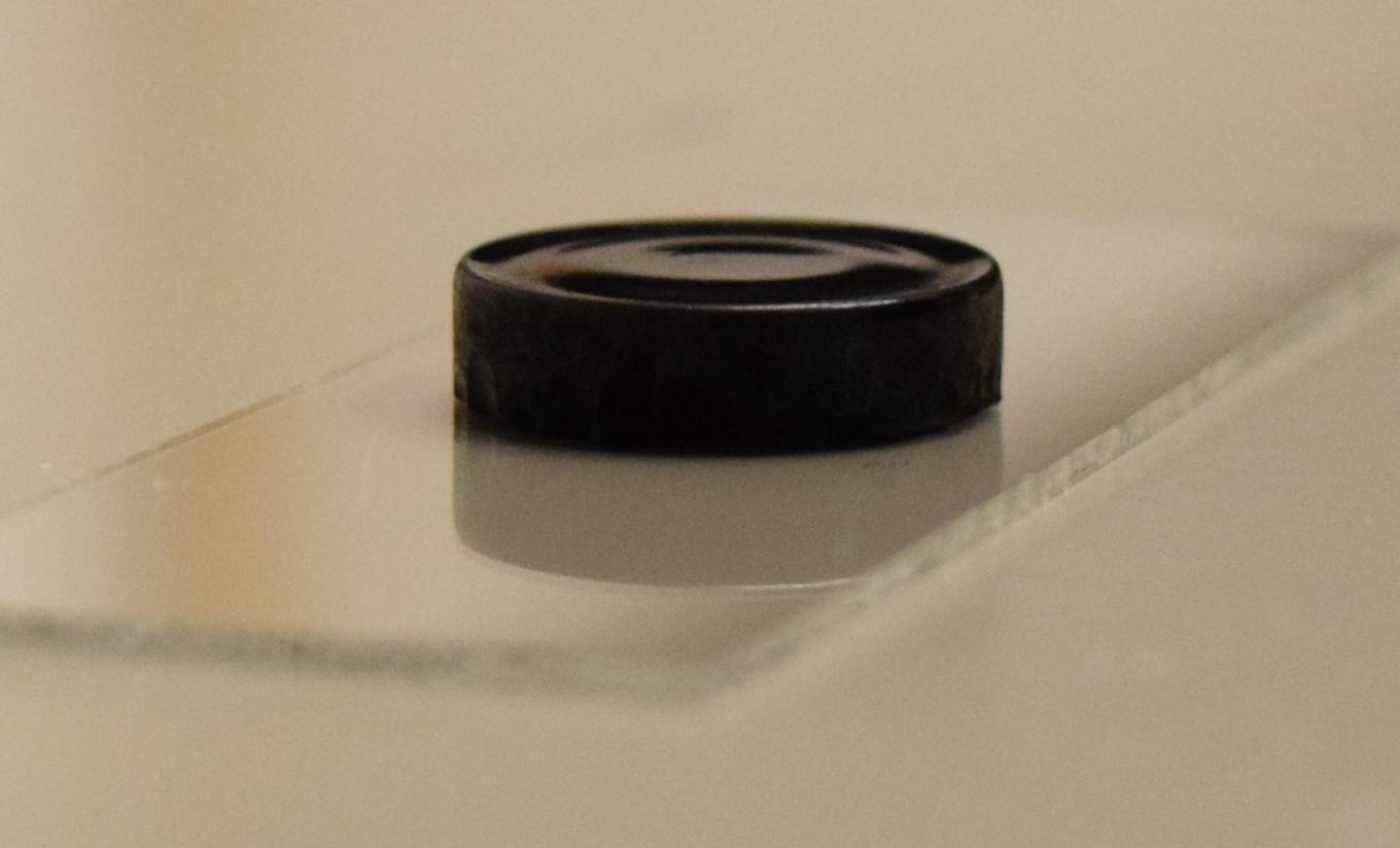
McMaster researchers create fireproof, self powered sensor
IMAGE

Credit: McMaster University

HAMILTON, March 1, 2019 – McMaster researchers, working with partners at other universities, have created a motion-powered, fireproof sensor that can track the movements of firefighters, steelworkers, miners and others who work in high-risk environments where they cannot always be seen.

The low-cost sensor is about the size of a button-cell watch battery and can easily be incorporated into the sole of a boot or under the arm of a jacket – wherever motion creates a pattern of constant contact and release to generate the power the sensor needs to operate.

The sensor uses triboelectric, or friction-generated, charging, harvesting electricity from movement in much the same way that a person in socks picks up static electricity walking across a carpet.

The sensor can track the movement and location of a person in a burning building, a mineshaft or other hazardous environment, alerting someone outside if the movement ceases.

The key material in the sensor, a new carbon aerogel nanocomposite, is fireproof, and the device never needs charging from a power source.

“If somebody is unconscious and you are unable to find them, this could be very useful,” says Ravi Selvaganapathy, a professor of mechanical engineering who oversaw the project. “The nice thing is that because it is self-powered, you don’t have to do anything. It scavenges power from the environment.”

The research team – from McMaster, UCLA and University of Chemistry and Technology Prague – describes the new sensor in a paper published today in the journal Nano Energy.

The researchers explain that previously developed self-powered sensors have allowed similar tracking, but their materials break down at high temperatures, rendering them useless,

A self-powered sensor is necessary in extreme heat because most batteries also break down in high temperatures. The researchers have successfully tested the new technology at temperatures up to 300C – the temperature where most types of wood start to burn – without any loss of function.

“It’s exciting to develop something that could save someone’s life in the future,” said co-author Islam Hassan, a McMaster PhD student in mechanical engineering. If firefighters use our technology and we can save someone’s life, that would be great.”

The researchers hope to work with a commercial partner to get the technology to market.

###

Selvaganapathy and Hassan are available for interviews at the following contacts:

Ravi Selvaganapathy: 905-525-9140, ext.27435 and [email protected]

Islam Hassan: 905-525-9140, ext. 20738 and [email protected]

McMaster provides a high-definition broadcast studio for television interviews.

Media Contact
Wade Hemsworth
[email protected]
Tags: Energy SourcesNanotechnology/MicromachinesTechnology/Engineering/Computer ScienceTrauma/Injury
Share12Tweet8Share2ShareShareShare2

Related Posts

Personalized Guide to Understanding and Reducing Chemicals

February 7, 2026

Inflammasome Protein ASC Drives Pancreatic Cancer Metabolism

February 7, 2026

Phage-Antibiotic Combo Beats Resistant Peritoneal Infection

February 7, 2026

Boosting Remote Healthcare: Stepped-Wedge Trial Insights

February 7, 2026
Please login to join discussion

POPULAR NEWS

  • Robotic Ureteral Reconstruction: A Novel Approach

    Robotic Ureteral Reconstruction: A Novel Approach

    82 shares
    Share 33 Tweet 21
  • Digital Privacy: Health Data Control in Incarceration

    63 shares
    Share 25 Tweet 16
  • Study Reveals Lipid Accumulation in ME/CFS Cells

    57 shares
    Share 23 Tweet 14
  • Breakthrough in RNA Research Accelerates Medical Innovations Timeline

    53 shares
    Share 21 Tweet 13

About

We bring you the latest biotechnology news from best research centers and universities around the world. Check our website.

Follow us

Recent News

Personalized Guide to Understanding and Reducing Chemicals

Inflammasome Protein ASC Drives Pancreatic Cancer Metabolism

Phage-Antibiotic Combo Beats Resistant Peritoneal Infection

Subscribe to Blog via Email

Enter your email address to subscribe to this blog and receive notifications of new posts by email.

Join 73 other subscribers
  • Contact Us

Bioengineer.org © Copyright 2023 All Rights Reserved.

Welcome Back!

Login to your account below

Forgotten Password?

Retrieve your password

Please enter your username or email address to reset your password.

Log In
No Result
View All Result
  • Homepages
    • Home Page 1
    • Home Page 2
  • News
  • National
  • Business
  • Health
  • Lifestyle
  • Science

Bioengineer.org © Copyright 2023 All Rights Reserved.